

This piece is part of the Essentially Man “What It Means to Be a Man” series, long-form profiles exploring how men live, train, work and find meaning across cultures.
The project exists to let men speak for themselves, in a culture that usually speaks about them.
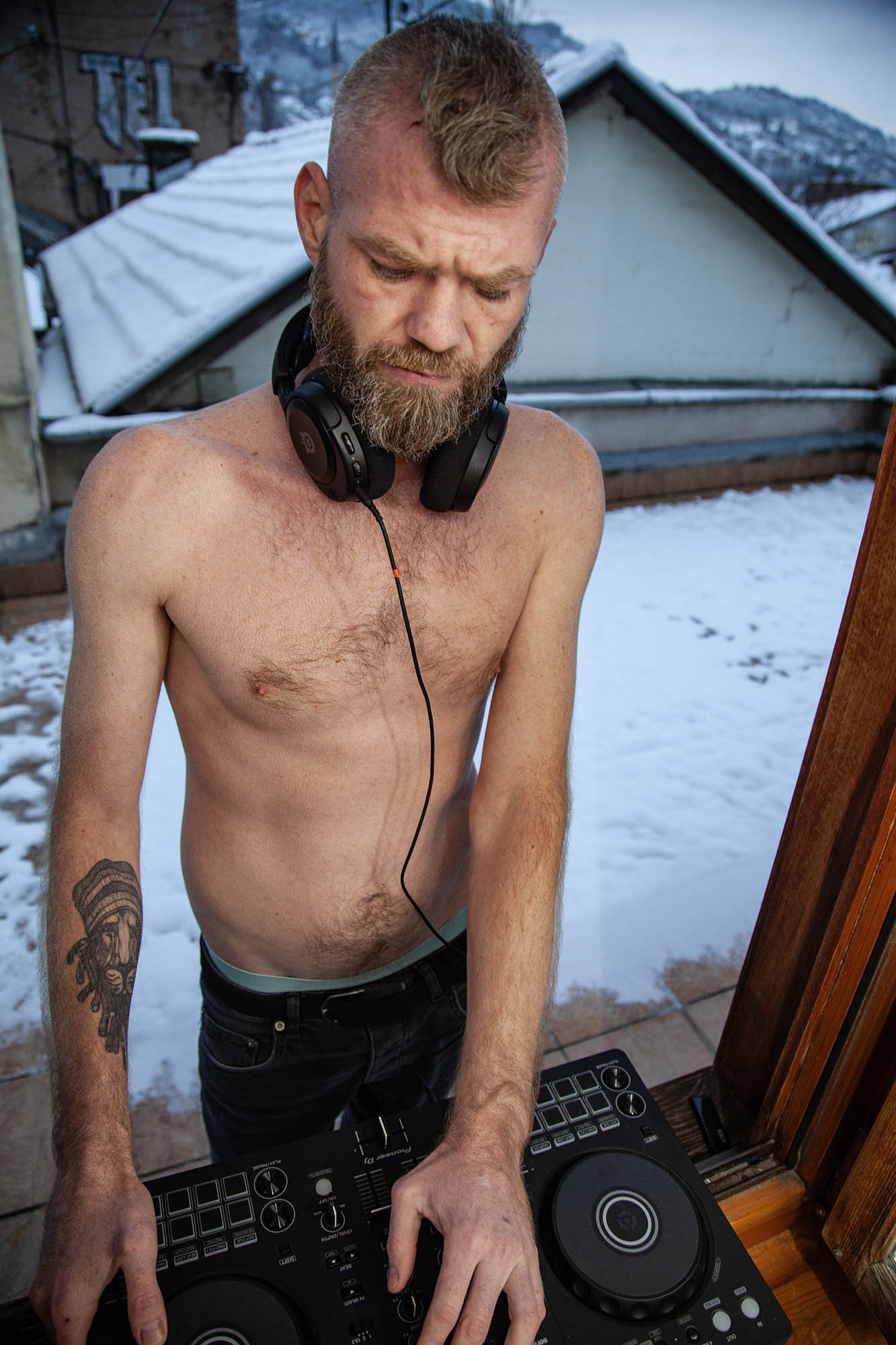
In the winter cold of Sarajevo, on the roof of a small hostel, I talk to Vasyl as snow settles over the city around us. Broad-shouldered and bearded, he stands with headphones hanging around his neck. Music is rarely far away. He describes it as "the strength to walk the path that I and the universe have chosen for me."
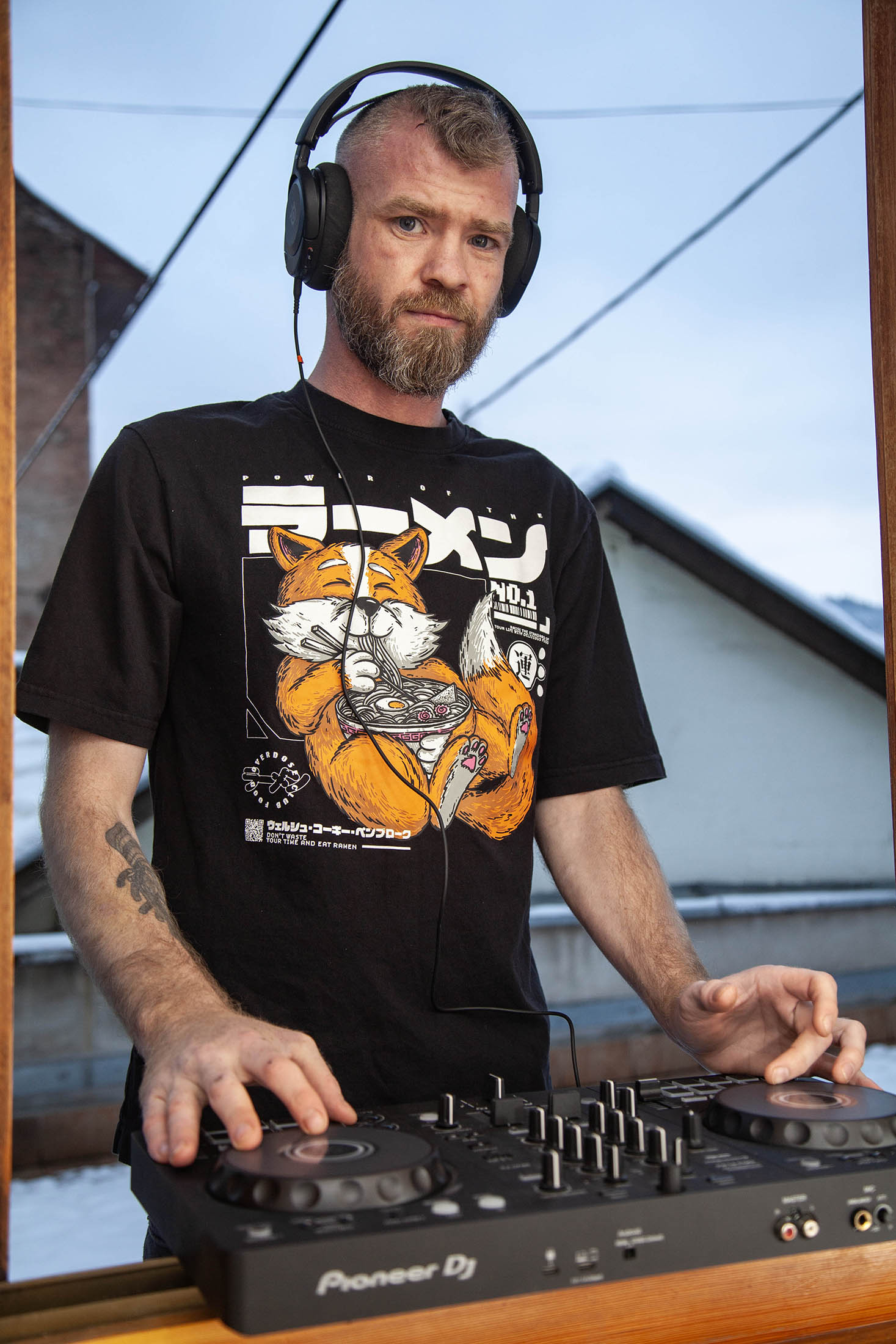
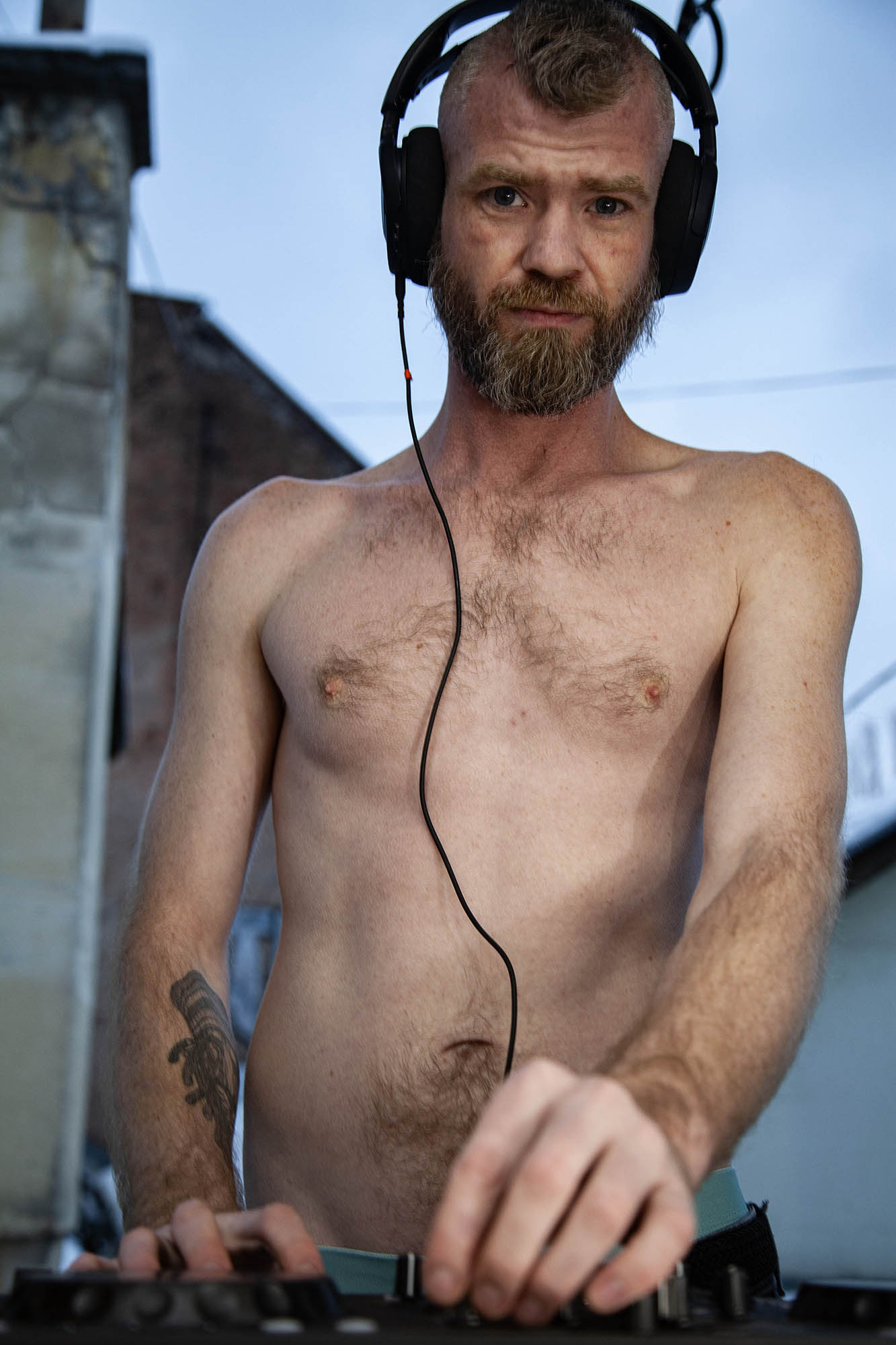
As we stand in the cold, I tell Vasyl about Essentially Man and my interest in how men from different cultures perceive their own masculinity. He listens as I explain what I'm trying to capture, then agrees to participate.
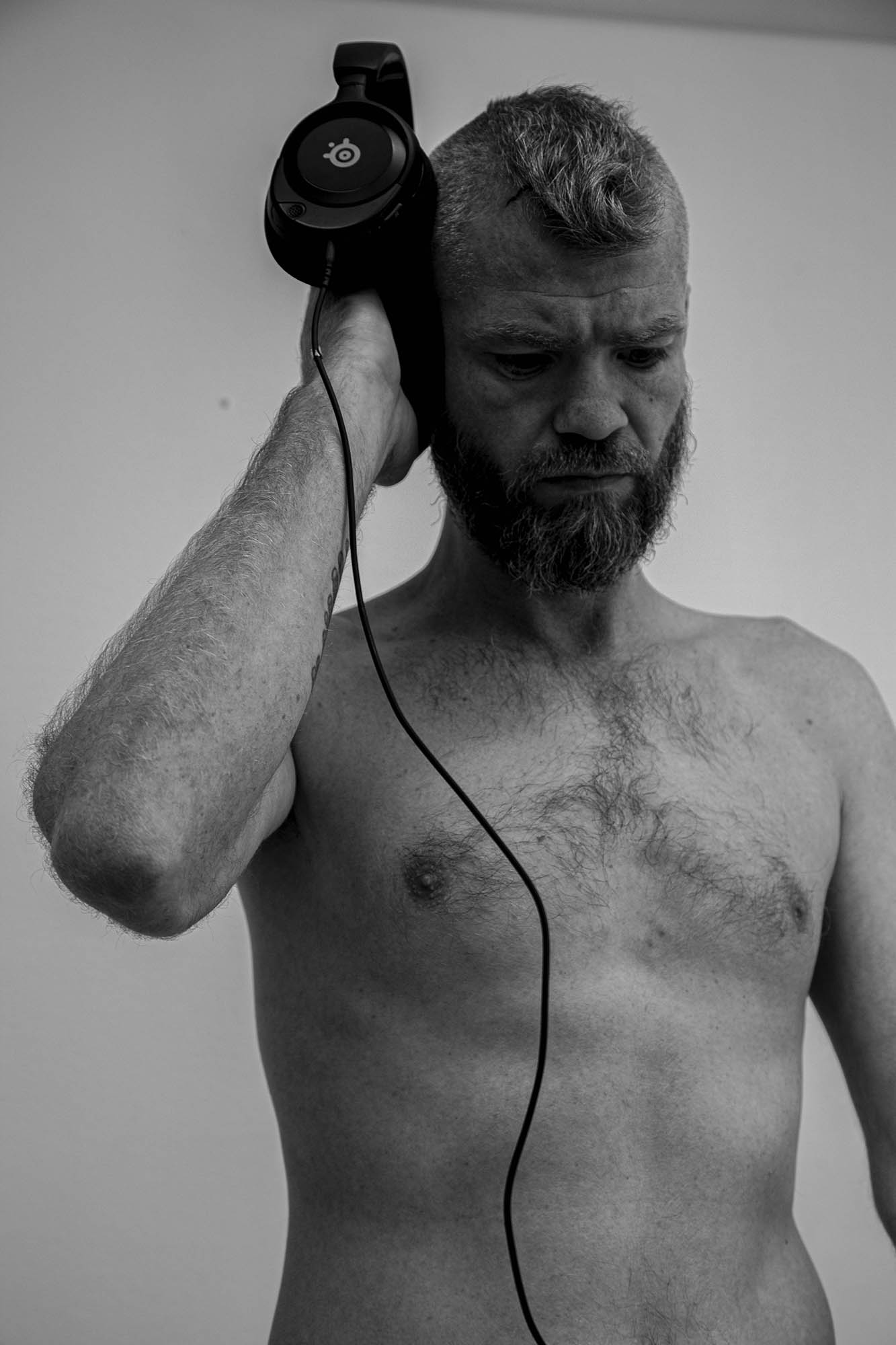
With Vasyl, the conversation soon turns towards Ukraine.
Why Vasyl's story matters
Vasyl grew up in a Ukraine very different from the one he knows today. He lost his father when he was 10 and describes his parents as having been “crushed by the communist system.” Much of what he learned about love came instead from his mother.
Now his country is at war and Vasyl is living with another tension. A medical condition prevents him from serving in the military but that hasn't stopped him feeling guilty that he isn't there.
These experiences surface throughout our conversation. So do older ideas about Ukrainian men: the Cossack, the protector and the man who keeps going when things become difficult.
But Vasyl doesn't fit neatly inside them.
Historical and cultural foundations of the Ukrainian man and masculinity
When Vasyl talks about Ukrainian masculinity, he reaches back into his country's history.
"We have long had the 'Cossack' cult — this is a strong, unbroken, freedom-loving man."
The Cossacks emerged from the borderlands of what is now Ukraine from around the 15th century, developing into military communities that became associated with independence, warfare and resistance to outside rule. Their place in Ukrainian history has endured well beyond the Cossack era itself.
For Vasyl, so has the image of the Cossack man: strong, unbroken and freedom-loving.
Contemporary challenges in Ukrainian masculinity
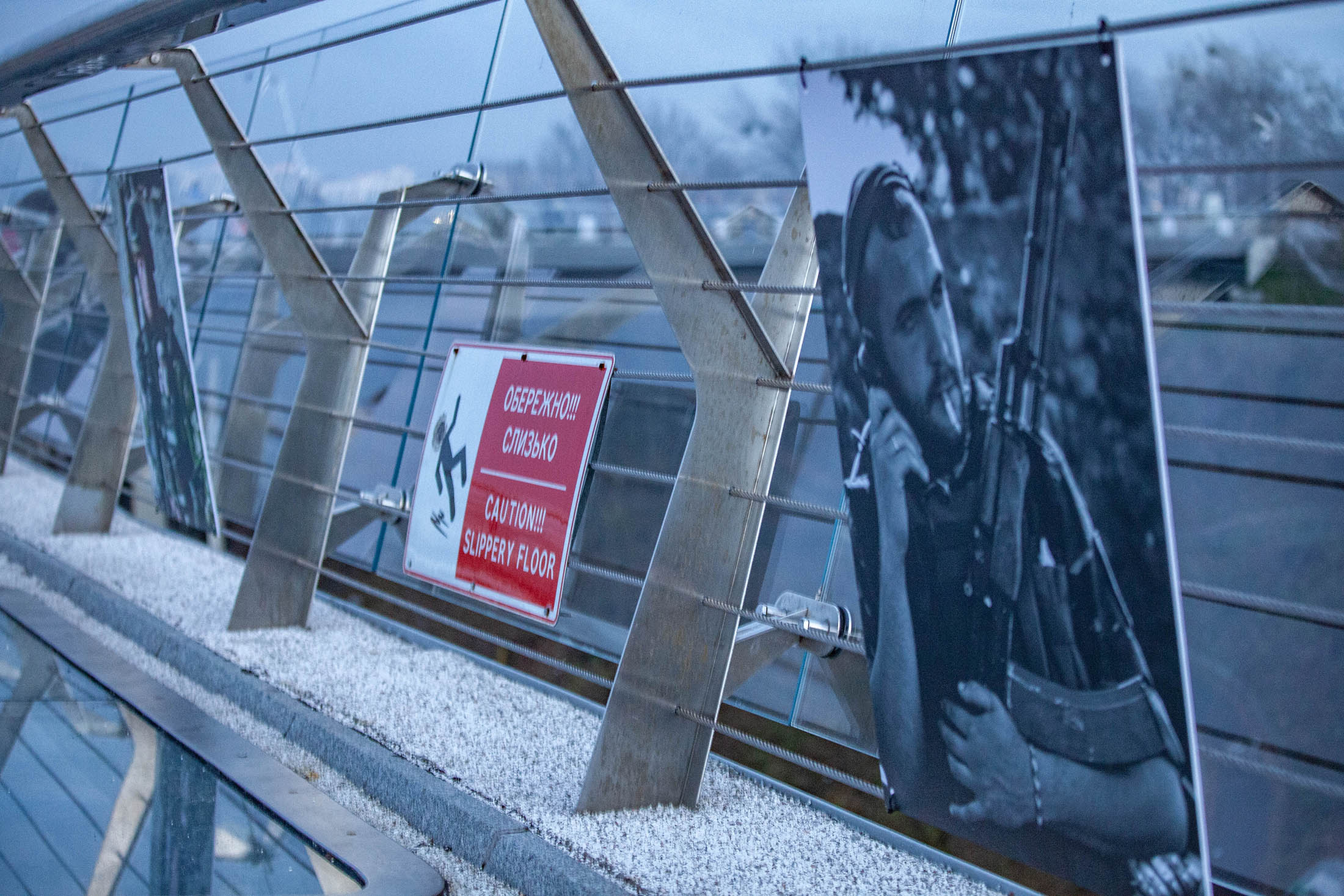
The war with Russia has brought older expectations of men as protectors into much sharper focus. Vasyl has also watched the war change the roles of both men and women.
“The massive attack by the occupier in February 2022 changed the understanding of masculinity ... women, alongside men, defend our home.”
Women voluntarily serve in Ukraine's armed forces and have taken part in the country's defence alongside men. Men, though, remain subject to military obligations and wartime restrictions that do not apply to most women.
"Right now, I am constantly tormented by feelings of guilt that I am not serving in the army," he admits.
A medical condition prevents him from serving. Knowing that doesn't seem to make the guilt disappear.
The core of Ukrainian masculinity
When I ask Vasyl what it means to be a Ukrainian man, his answer returns to endurance.
"To be a Ukrainian man means to go forward across darkness, fear, failure, loss, and pain ... because we must," he asserts.
But strength, for Vasyl, isn't confined to enduring hardship. His mother shaped much of how he sees and treats other people.
“My mother taught me to love people for their hearts, not their appearances,” he recalls.
It's a lesson that has stayed with him. So too has the importance he places on boundaries.
"Respecting others' boundaries while not sacrificing your own is essential."
Together, his answers make for a broader picture than the strong, unbroken Cossack he described earlier. Vasyl values endurance and strength, but empathy and self-respect have a place beside them.
Personal identity and challenges: The Ukrainian man
Vasyl was 10 when his father died. When he talks about that loss, he places it alongside the political system into which he was born and the influence of the parent who remained.
"I was born at the juncture of systems, to parents who were crushed by the communist system ... my father left this world when I was just ten years, so all the love I absorbed came from my mother."
His mother became a defining influence in his life. Earlier, Vasyl told me that she taught him to love people for their hearts rather than their appearances.
Losing his father so young also meant that much of what Vasyl learned about love came from a woman. It is an interesting detail in a conversation about what it means to be a man.
Reflections on gender roles and expectations in Ukraine
Vasyl sees differences between men and women without regarding those differences as a reason for inequality.
"Women and men are equal and different; social influence and physical characteristics make us different and at the same time, we should be equal ... take responsibility for our actions and support each other."
For Vasyl, the difficulty comes when differences become fixed expectations about how men and women should behave.
"Stereotypical views create expectations and absolve responsibility … this destroyed my family but it was built with a representative of another culture and moral values," he explains.
His choice of words makes this particularly personal. Vasyl isn't only criticising stereotypes in the abstract; he connects them to the breakdown of his own family, while also acknowledging that cultural differences and values were involved.
Navigating masculinity today
Vasyl sees contradictions in what is sometimes expected of men.
"Where there are conflicting postulates ... where a man is supposed to be maximally strong but at the same time incapable of anything."
He describes what can follow as "constant grievances or devaluation, and humiliation."
There is frustration in the way Vasyl talks about these competing expectations. Yet in his own life, he doesn't claim to have found a perfect way through them.
"I try to find balance but often my personal life takes precedence."
For now, that balance doesn't always remain balanced.
Vasyl's advice to other men on masculinity
When I ask Vasyl what advice he would give other men, he returns to something that has come up several times in our conversation: boundaries.
"Respecting others' boundaries while not sacrificing your own is essential."
There is an important balance in that for Vasyl. Respect for another person shouldn't require a man to surrender his own values or sense of self.
He is equally direct when it comes to emotion.
"To cry is not a weakness but the ability to acknowledge one's pain."
Vasyl doesn't see acknowledging pain as incompatible with being strong. Nor does he suggest that emotion should simply take over. For him, there is a difference between recognising what you feel and being ruled by it.
For young men trying to find their own path, his advice is perhaps the simplest he gives me:
"No matter what, no matter how hard it is to go on, go, and don't stop; build a home for yourself and for those you care for wherever you are and with what you have."
There is perseverance in that answer but also something more practical. Build with what you have, wherever you happen to be. And build something that has room for the people you care about.
Conclusion: The Ukrainian man, masculinity and beyond
On that hostel roof in Sarajevo, Vasyl gives me no simple definition of the Ukrainian man.
He talks about the Cossack: "strong, unbroken, freedom-loving." He talks about a country at war and the guilt he carries because he cannot serve. He remembers losing his father at 10 and credits his mother with teaching him to love people for their hearts rather than their appearances.
There are contradictions in there. Perhaps inevitably.
Vasyl believes in strength, but says crying is not weakness. He speaks about responsibility to others while insisting a man shouldn't sacrifice his own boundaries. And although much of our conversation is about being Ukrainian, some of his most personal reflections come from the people closest to him.
I think back to something he told me near the beginning of our conversation. Music gives him "the strength to walk the path that I and the universe have chosen for me."
By the end, his advice to other men sounds much the same:
"No matter what, no matter how hard it is to go on, go, and don't stop; build a home for yourself and for those you care for wherever you are and with what you have."
What does masculinity mean to you? Share your thoughts in the comments below.
Essentially Man documents how men live, not how they should.