
This piece is part of the Essentially Man “What It Means to Be a Man” series, long-form profiles exploring how men live, train, work and find meaning across cultures.
The project exists to let men speak for themselves, in a culture that usually speaks about them.
Tomáš is 36, Slovak and difficult to imagine without fitness somewhere in the picture.
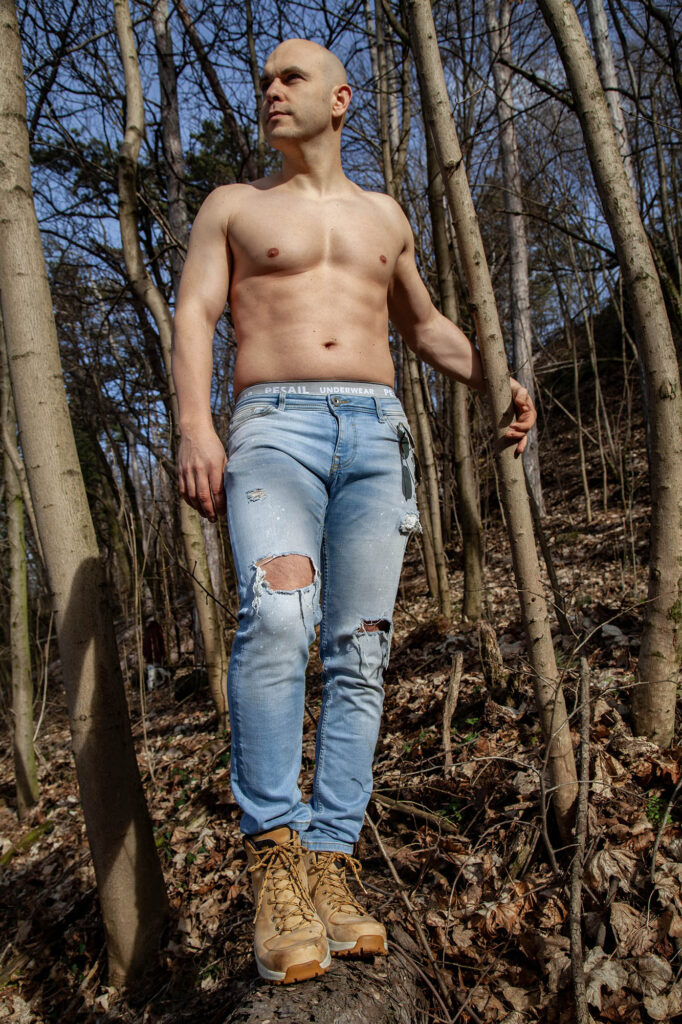
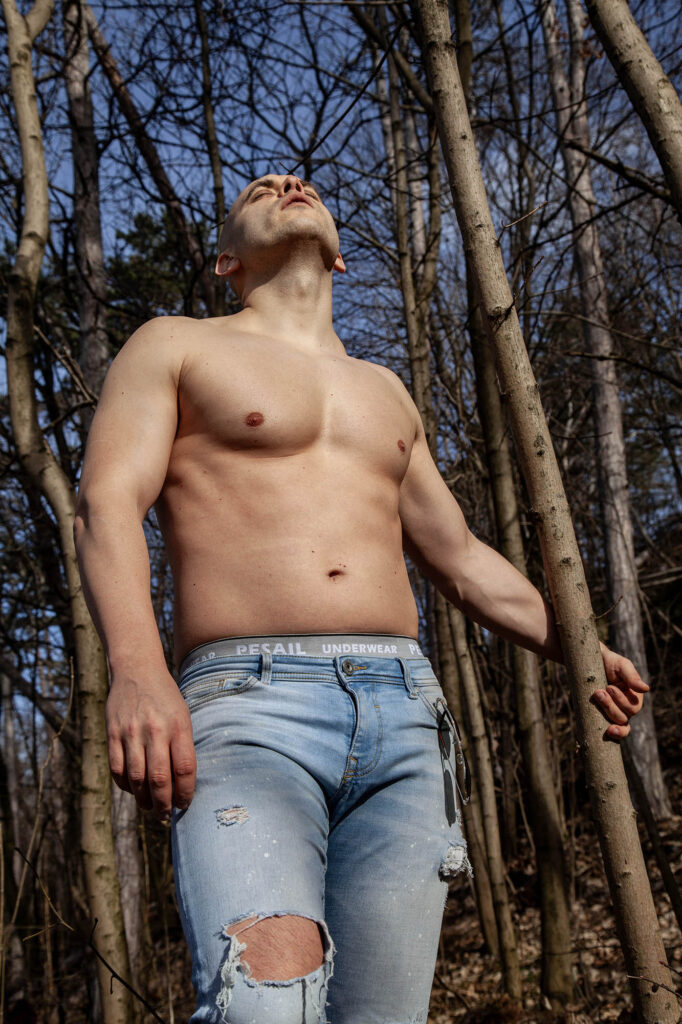
His head is shaved and his physique reflects years of training. He works selling nutritional supplements and has also worked as an actor, model and television extra. His interests range from nutrition, biohacking and wellness to skiing, motorcycles, travel, mushrooming and what he calls “luxury gastronomic experiences”.
As a teenager, though, Tomáš was very different.
“I was extremely shy even to go swimming shirtless with my family,” he tells me.
Years later, that discomfort with being seen has largely disappeared. Tomáš has modelled, posed for artists and become comfortable with nudity. He describes himself almost as though he is talking about two different people.
“Some years later I went to nudist beach, swingers party and was doing similar crazy stuff like a different person.”
The change is one of several contradictions in Tomáš. He is intensely disciplined but admits that discipline can make his life more difficult. He wants to remain physically prepared for whatever opportunity appears next, while also wanting love, a family and some peace.
And he really, really doesn't want to stop being jacked.
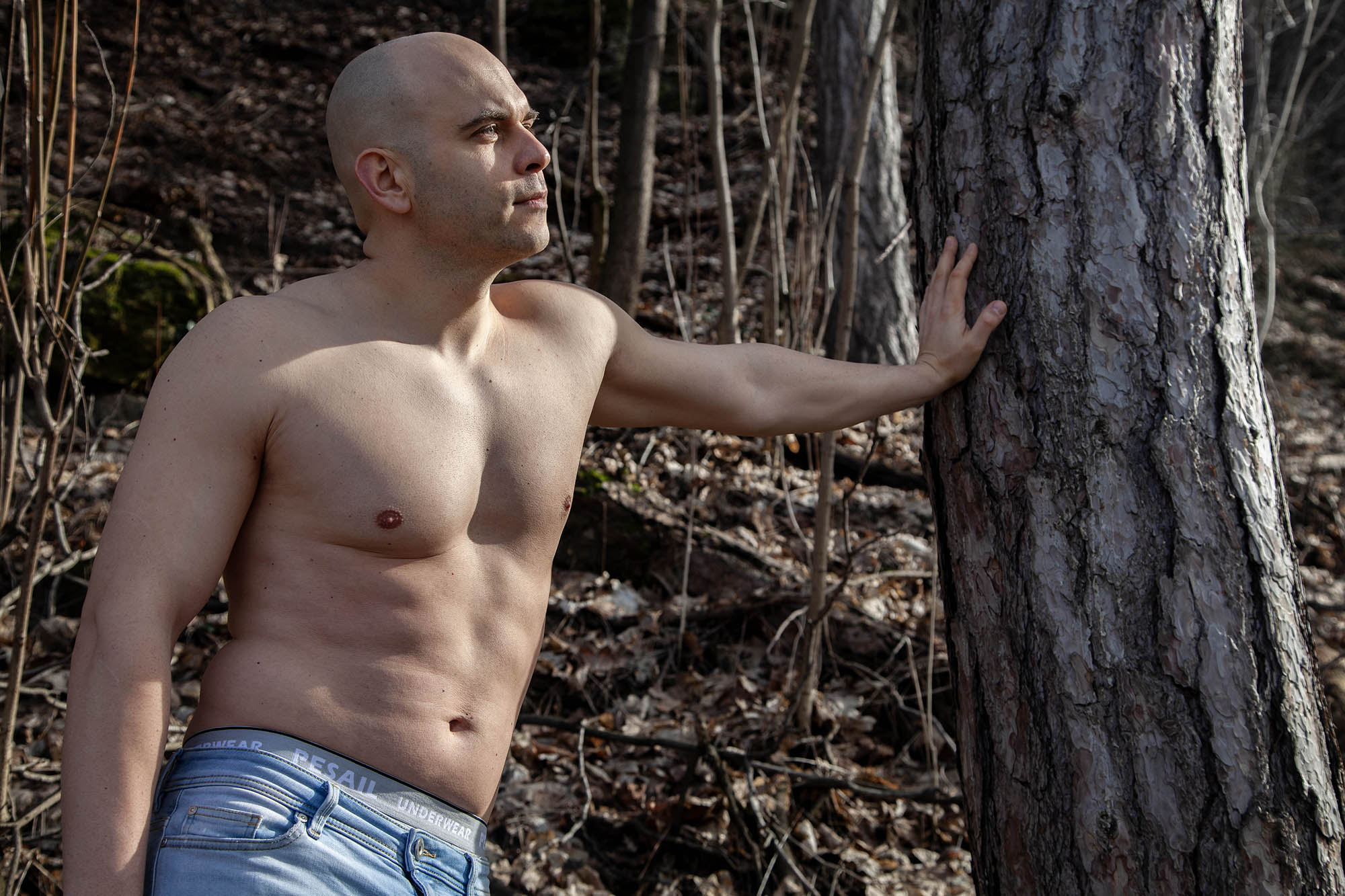
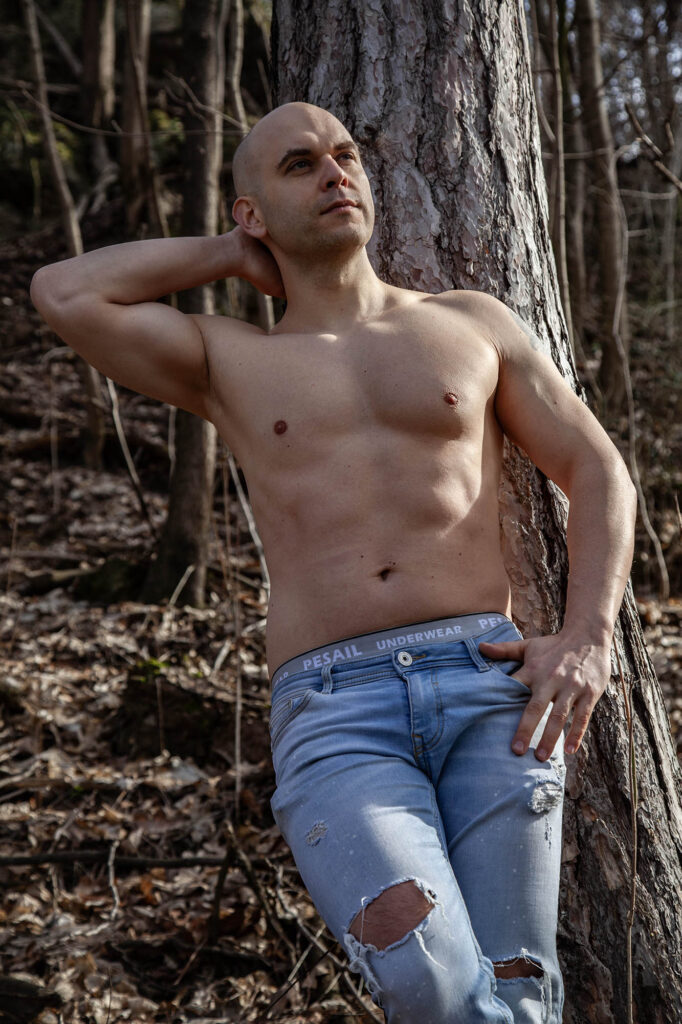
You can see some of what he means. In the woods, Tomáš stands shirtless with one hand against a tree. His jeans sit low on a narrow waist. Above them, the lines of his stomach are visible, his chest solid and his shoulders rounded from training. His arms are muscular without being huge.
One arm hangs loose while he looks past me into the trees. Sunlight falls across his face and down one side of his chest, catching the definition in his stomach.
Tomáš doesn't talk much about being Slovak when we discuss masculinity. Most of his answers are about himself.
Slovakia is still relatively traditional in some respects. Women continue to do considerably more childcare and housework than men, according to European gender-equality data. Family also comes up several times when Tomáš talks about the life he wants.
“Me vs me”
When I ask Tomáš what his body represents to him, his answer is immediate.
“Lifestyle, discipline, self-respect, health, symbol of not giving up in hard times of life.”
Fitness occupies a large part of the way Tomáš thinks about himself. He doesn't pretend appearance is irrelevant, either. He finds the effort involved in building a body attractive in its own right.
“To me, a nice built man is more beautiful than an average woman with high body fat percentage,” he says. “I think the effort to look good is beautiful itself.”
But Tomáš doesn't separate physical strength neatly from what happens in his head.
“For me, it feels kind of like victory of my ‘me vs me’ fight,” he says. “The stronger I feel physically, the stronger I feel mentally, as if it was one connected process.”
There are practical reasons for training too. Tomáš says keeping his muscles strong helps with lower-back pain. He is interested in the health and anti-ageing effects of exercise and likes knowing that if an opportunity comes along that requires him to be in shape, he already is.
“I know that any time someone might want to do some photoshoot or need me to pose for drawing class so being fit makes me feel that I’m ready for a case that I need it for something.”
Then there is the simpler explanation.
“Once you know what it feels like to be jacked / buffed / beefy, you never want to lose it. It’s like addiction to that feeling.”
Being seen
An artist once told Tomáš that “being painted naked is like being hugged with someone’s eyes”.
“That’s what it feels like to me,” Tomáš says.
For somebody who once felt too shy to swim shirtless around his own family, being looked at has taken on a very different meaning.
“I’d say it also increases self-esteem, everyone needs to be seen especially by opposite sex,” he says.
Tomáš is unusually open about enjoying that attention. He describes being nude around other people as exciting and thinks it can reduce feelings of loneliness. Being naked in nature, meanwhile, makes him feel like “Adam in paradise”.
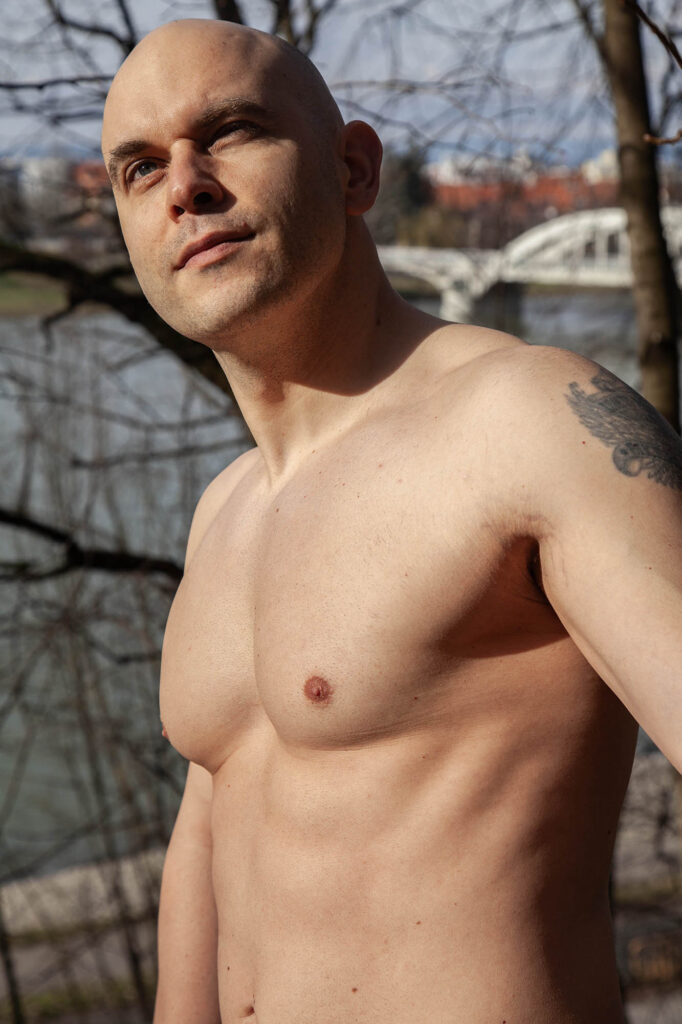
He also has a considerably less philosophical reason for liking it.
It gets rid of tan lines.
Tomáš thinks an evenly tanned body looks better, including around the parts normally covered by clothes.
There isn't much embarrassment when he tells me these things. Being seen, which was once difficult for him, is something he now actively enjoys.
When discipline gets in the way
Tomáš talks enthusiastically about fitness, wellness and what he calls anti-ageing activities. He credits them with helping him physically and mentally.
But he also recognises a downside.
Maintaining the routines he wants can make other parts of life harder. A job that leaves too little time or energy for training can quickly become a job he no longer wants.
“Sometimes it can make you want to quit jobs soon just because you don’t have ideal conditions for this healthy fitness routines,” he says. “You start to feel depressed cause you don’t have time and energy to keep it up the way you want.”
Then Tomáš compares himself with people who have taken a more conventional route through adulthood.
“Normal people get married, get settled down at their jobs getting fat and sick but happy anyway. And you are still trying to figure out what to do, not get physically fucked ...”
It's a funny line but there is something unresolved in it.
Tomáš wants the body and the lifestyle he has worked for. He doesn't want work to consume the time he needs to maintain them. Yet when I ask him about the future, what he describes isn't another physical goal.
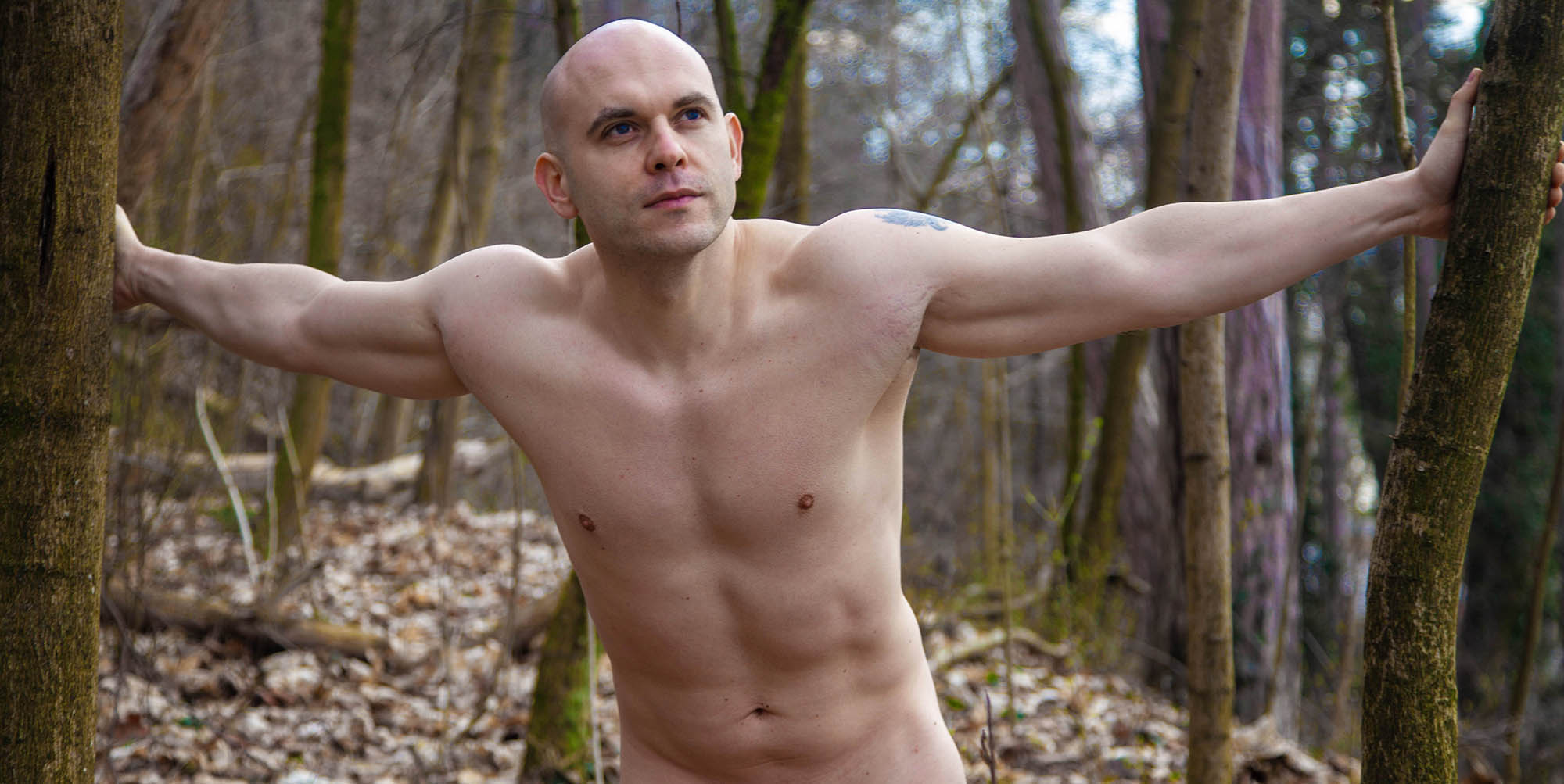
“The most important thing I want to find is a pure love, healthy family and inner peace in soul,” he says.
He would like to accomplish “something bigger” as well.
For now, he is still figuring out what that looks like.
Hard times
Tomáš describes fitness as a “symbol of not giving up in hard times of life”.
Some of those hard times have had nothing to do with the gym.
During one of our conversations, we spoke about the death of his mother. Eventually we stopped for a while.
I don't want to turn that moment into an explanation for everything else Tomáš has told me. He doesn't tell me that his physique is armour against grief or that every hour spent training is really about loss.
What I can say is that the conversation affected him.
It also made his description of fitness as something that helps with both physical and mental recovery easier to understand on his own terms.
For Tomáš, feeling physically stronger and feeling mentally stronger are connected.
He said that himself.
The life Tomáš wants
There is a temptation with somebody as invested in his physique as Tomáš to make the body explain the man.
Tomáš doesn't make it quite that simple.
Yes, he likes being muscular. He likes being looked at. He enjoys the feeling of being “jacked / buffed / beefy” enough to compare it to an addiction. He talks about discipline, wellness, self-respect and staying ready.
He is also aware of what maintaining all of that can cost him.
Perhaps that's why his answer about the future interests me.
He doesn't tell me he wants to become bigger or leaner. He doesn't give me another fitness target.
He wants “a pure love, healthy family and inner peace in soul”.
There is no need to make those things contradict each other. Tomáš certainly doesn't.
The teenager who was too shy to swim shirtless with his family is now comfortable being seen. The man who describes his body as the product of a continuing “me vs me” fight is still trying to work out how that discipline fits around the rest of the life he wants.
For Tomáš, at least, the fight isn't finished.
Essentially Man documents how men live, not how they should.