
This piece is part of the Essentially Man “Men’s Stories” series, first-person accounts of men reflecting on adversity, resilience and the lives they are trying to build.
The project exists to let men speak for themselves, in a culture that usually speaks about them.
Geoffrey smiles easily.
In one photograph he sits among trees with a guitar in his hands. In another he looks directly into the camera, relaxed and open.
Nothing in them suggests a man who once believed his life was over.
At 24, Geoffrey says, his life "crashed spectacularly".
But not because of one event or one bad decision.
"It rather felt more like a series of challenges all connected with one another."
Depression. Homelessness. Addiction. Suicidal thoughts. Anxiety. Shame. Loneliness. Poverty. A chaotic sense of identity and very little self-belief.
Looking back, he is careful with the language people often use around recovery.
"I'm cautious with saying that I overcame them," says Geoffrey.
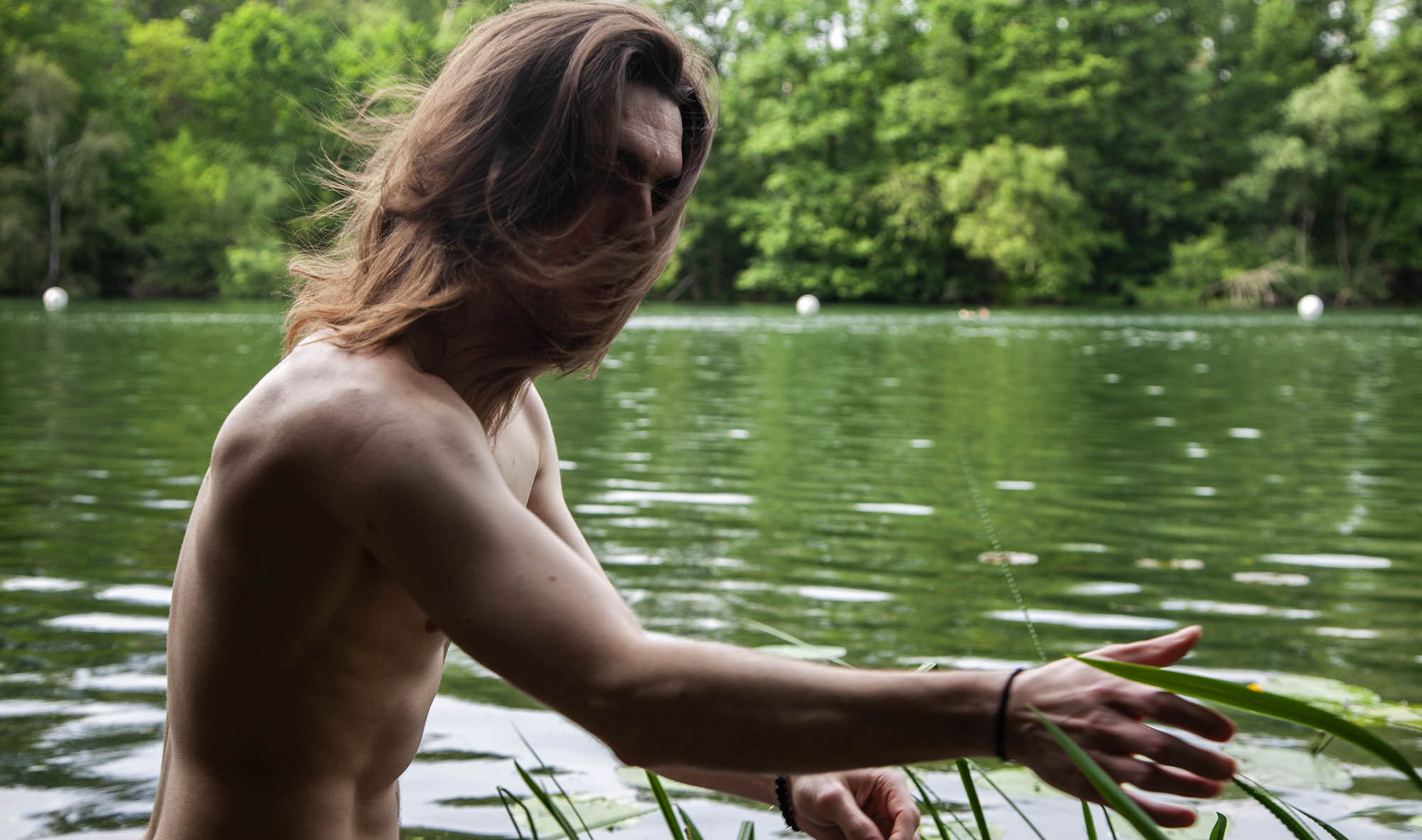
Portrait of Geoffrey in forest
He describes becoming an adult in much the same way. Slowly and unevenly. Without a single defining moment.
"Becoming an 'adult', a 'man', was extremely difficult. I had many dreams but lacked direction and self-confidence."
For a long time, even the word "man" felt uncomfortable. "I was raised the typical rough 'boys don't cry' way and for a long time, couldn't relate to what was expected of me as a man."
The role models around him seemed to belong to a world he did not quite recognise himself in. "Being called 'a man' felt strange because I felt so different from the role models I was given."
Over time, the word began to loosen. "Masculinity has as many facets as there are men," Geoffrey says.
When he talks about what masculinity means to him now, he does not reduce it to toughness.
"Being strong without being violent. Speaking your mind and being determined while also being a listener and having empathy."
Then he adds: "Having an awkward confidence."
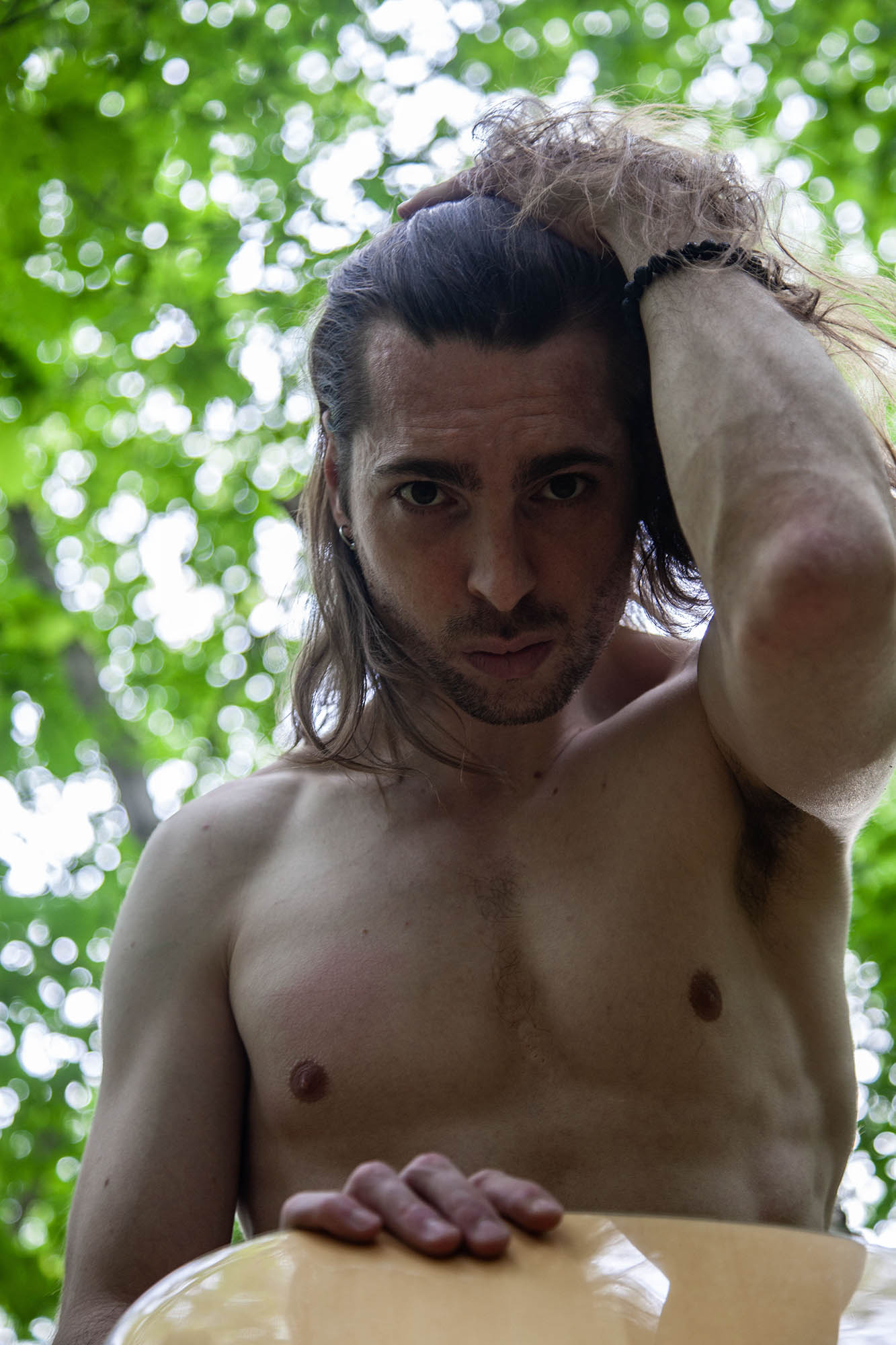
Portrait of Geoffrey with guitar
Very little in Geoffrey's story seems to arrive all at once. Drawing and painting helped while he was in a clinic.
Music helped. Sport helped. His family helped.
"They showed me love and understanding that I had not suspected before."
Moving country (from France to Germany) helped too.
"There were a lot of ups and downs. Step by step, very slowly, I was able to grow into a healthier person, often through apparently minor events."
Years later, depression and anxiety are still present. Geoffrey has stopped trying to force them away.
"I eventually realised that trying to suppress them was hurting me more than accepting them as part of me," he says.
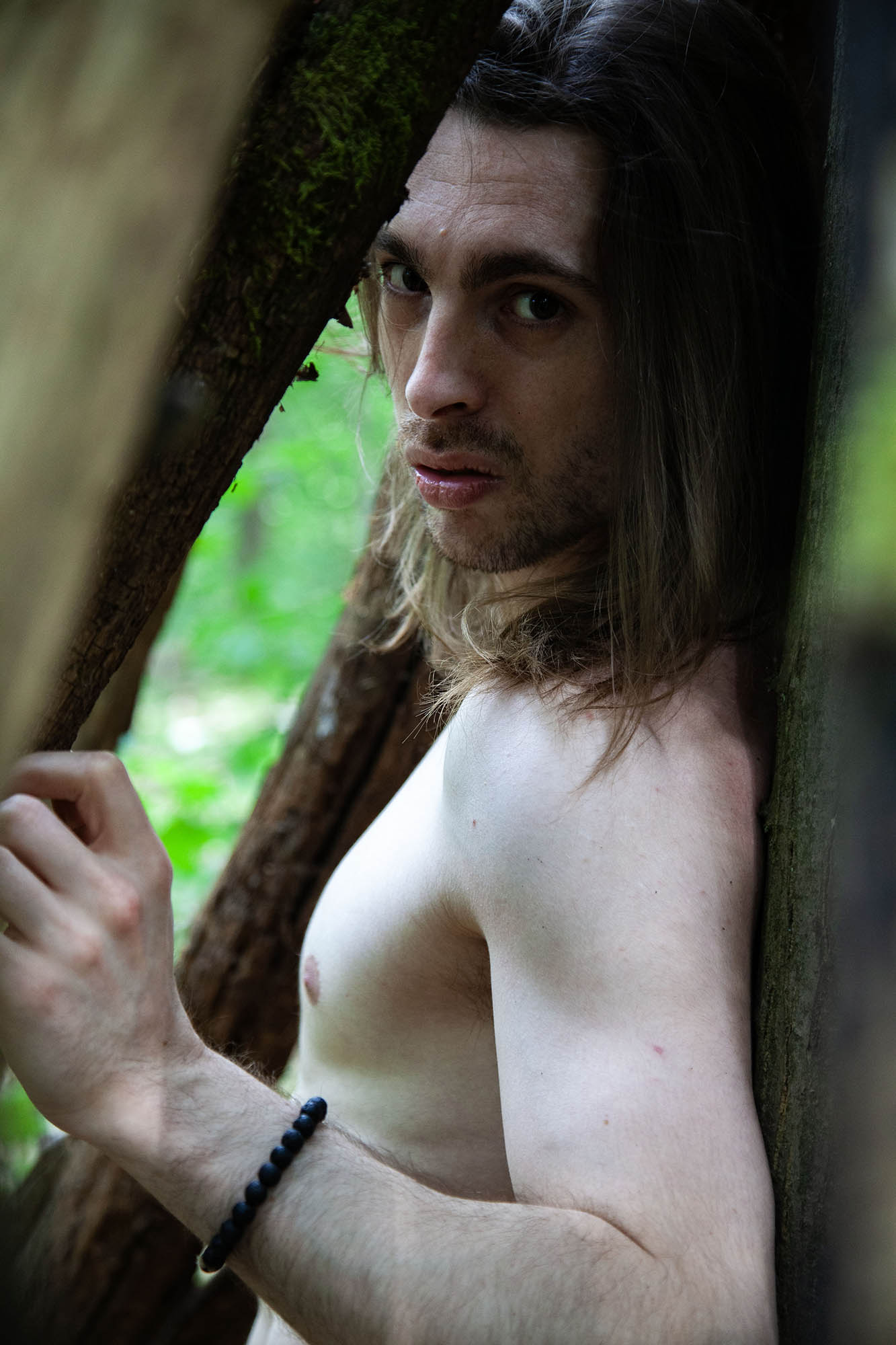
Portrait of Geoffrey looking towards camera
When asked when he feels most confident, Geoffrey is direct.
"I can sometimes be shy and introverted, yet I somehow never feel as calm and confident as when I'm naked, because I literally have nothing to hide and nothing to pretend. There is something so pure and primitive about it."
Are men beautiful?
"Yes, men are beautiful and in so many ways."
He describes men as a mixture of chaos and energy, childishness and seriousness, roughness and softness.
Later, when talking about masculinity, he returns to contradiction. "I think masculinity IS made of contradictions."
He hates violence yet recognises a capacity for it.
He encourages men to express emotion yet struggles to ask for help himself.
He avoids confrontation because he fears his own anger.
He wants to show affection more easily than he does.
"I am afraid of ridicule and rejection and, ultimately, of feeling unloved."
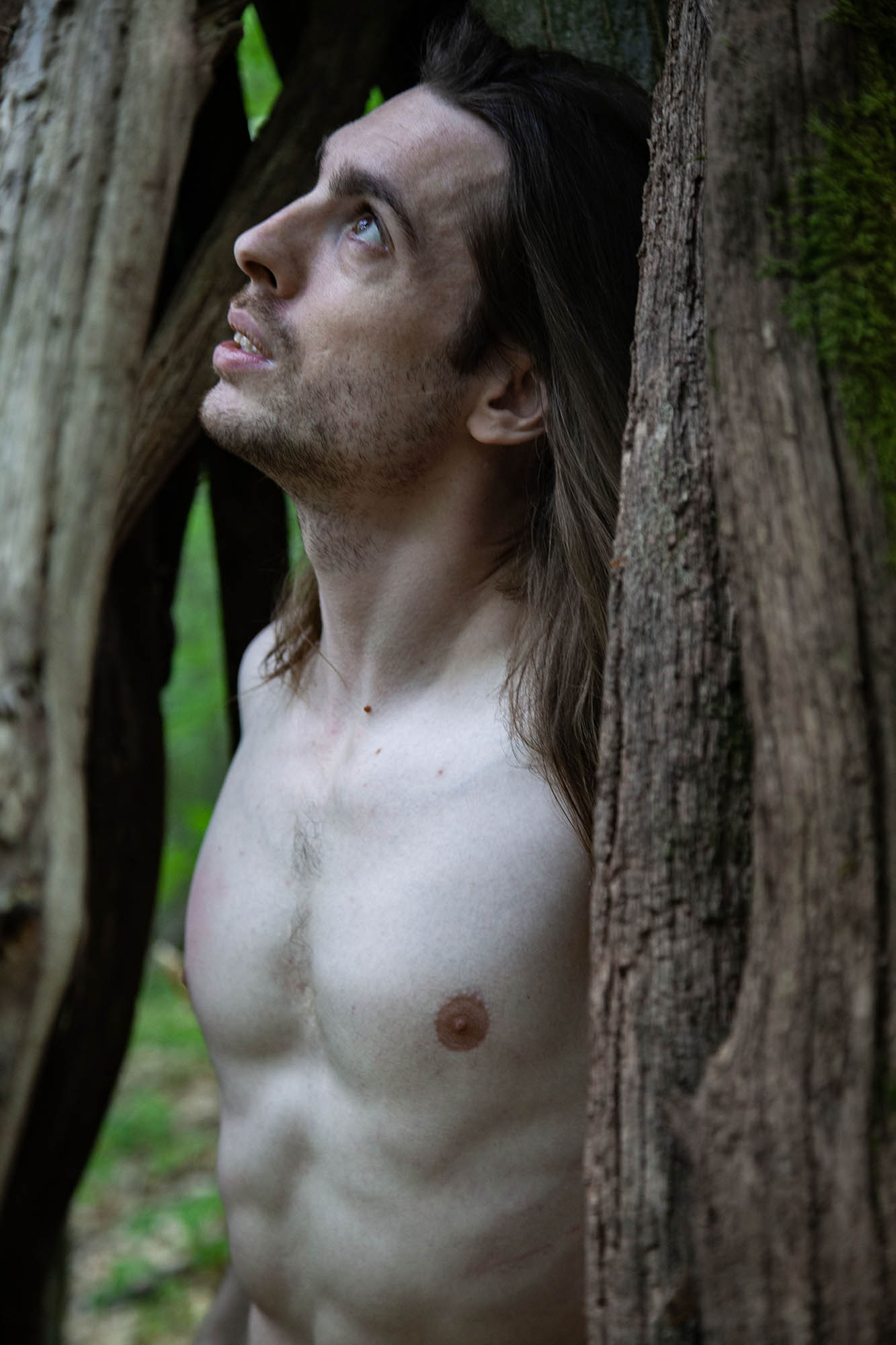
Portrait of Geoffrey among the trees
When asked what he would tell other men, Geoffrey keeps returning to patience.
"Recovery/change is not a '1+1=2' process. It takes time, mistakes and patience," he says.
He encourages men to ask for help. To stop comparing themselves to others. To stop treating endurance as a competition.
"It's never too late to try, never too late to change. Your life doesn't end at 30."
Geoffrey says he only really started becoming the person he wanted to be after he turned 30.
“As time went by, I realised that I was able to change, that nothing was set in stone.”
Step by step.
Very slowly.
The long way back.
Essentially Man documents how men live, not how they should.