

This piece is part of Essentially Man’s “What It Means to Be a Man” series, long-form profiles exploring how men live, train, work and find meaning across cultures. It also sits within the “Men’s Stories” series, first-person accounts of men reflecting on adversity, resilience and the lives they are trying to build.
The project exists to let men speak for themselves, in a culture that usually speaks about them.
Kleber and I are sitting in camping chairs beside Somerset Dam on a sunny Saturday afternoon. The sky is blue, but the wind coming across the water is strong. Boats move past us on the dam, along with water-skiers and jet skis.

We've known each other for years, which makes my first question slightly strange.
I ask him to imagine I'm meeting him for the first time. At 46, how would he introduce himself?
“I would say I'm Kleber. I am, I think now that I'm 46, I'm just now really finding who I am. But I am, I'm a father, I'm a son, I'm a husband. I am a nurse and I still have a lot, a lot of things in life to find out."
“I'm still discovering life.”
Ten years ago, he says, he would have answered differently.
“I would have started the conversation by saying that I am a religious person, I believe in God."
“I think the best way to put it is going back ten years ago, I wasn't my priority and everyone else was my priority. So that shift really happened maybe six years ago and more profoundly the last four years."
“For a large part of my life I put everyone else first.”
Kleber still spends much of his life caring for other people. He is a father, husband and son, and works as a nurse. What has changed is where he places himself among them.

“I think I came to the realisation that you can't really be a good helper, you can't really be a good father, you can't really be a good nurse, a good professional, if you are not mentally and physically well yourself.”
“It took me a while to understand that I would have to be well with myself if I wanted to help others.”
“After I started to put myself first, I know that I'm a better father, I'm a better son, I'm a better brother, I'm a better clinician, because I do prioritise myself now.”
He also worries much less about what other people think.
“I did grow up in a Christian environment and that was always something that weighed on me, how people perceived me. So I always had to cater for that, whereas now I don't cater for that,” he says.
“I am what I am and it's just a matter of take it or leave it, and that in itself has just removed a massive burden from me.”
What matters now?
“Being happy and being at peace. That really matters to me. Just being at peace. That's all I want really.”
“Just peace.”
“I could never really picture a future”
Kleber was born in Sorocaba, about 100 kilometres from São Paulo. He was the eldest of three children and the only boy.
“I grew up in a very loving family. I have two siblings, two sisters. I'm the eldest. Mom and Dad. So we were a family of five.”
“I didn't have a bad childhood. I grew up in a very loving family, very loving parents, but it wasn't an easy childhood,” he says.
“We weren't miserable financially, but we were poor. Mom and Dad had to work hard. I didn't grow up going on expensive holidays, or sometimes no holidays at all. We always had the basics. Mom and Dad provided the basics, but it wasn't easy.”
By a young age, he had already made a plan.
“I think my earliest memory from when I was a child was when I was nine years old. I had already made the decision that I was going to leave Brazil.”
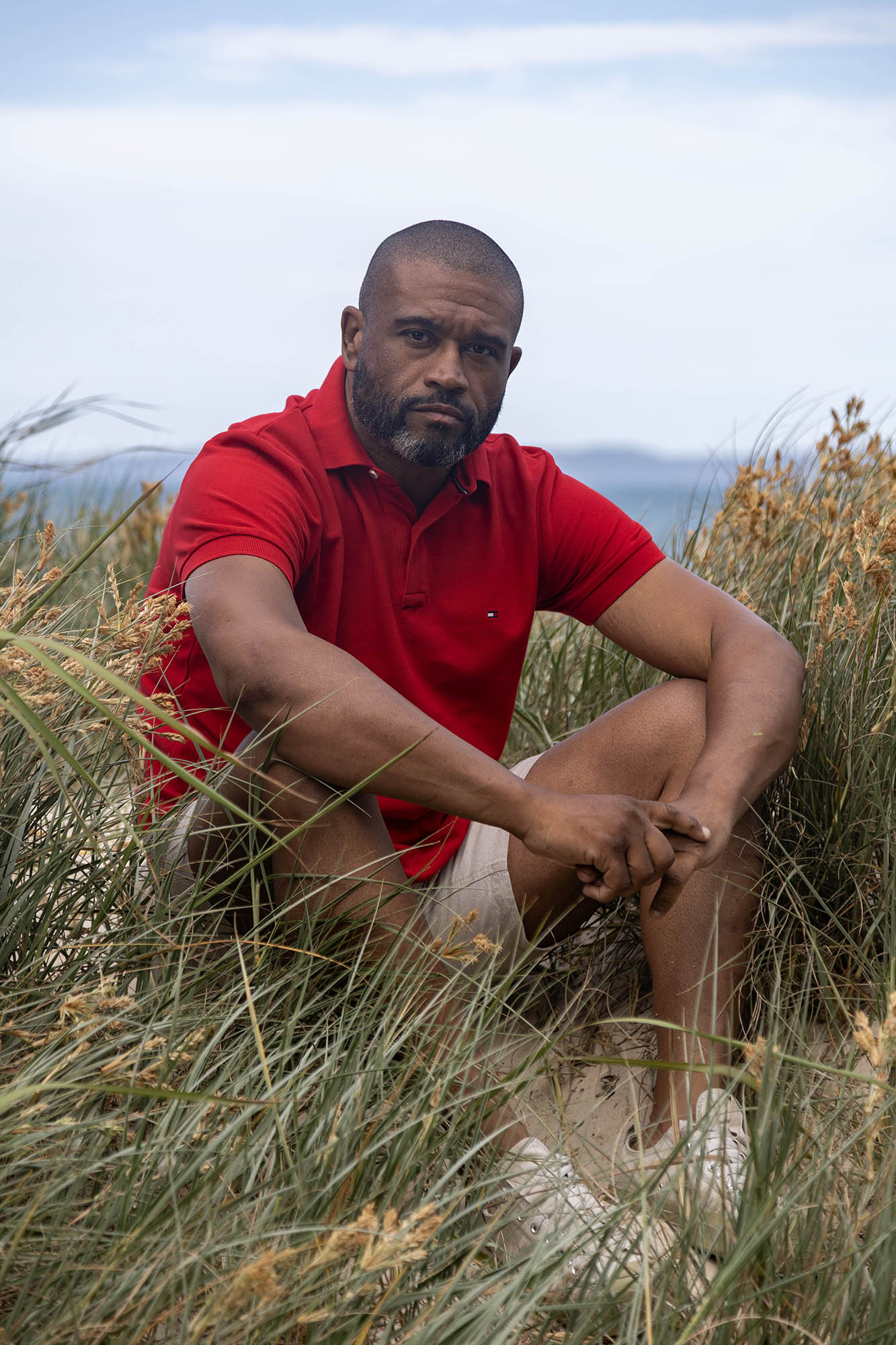
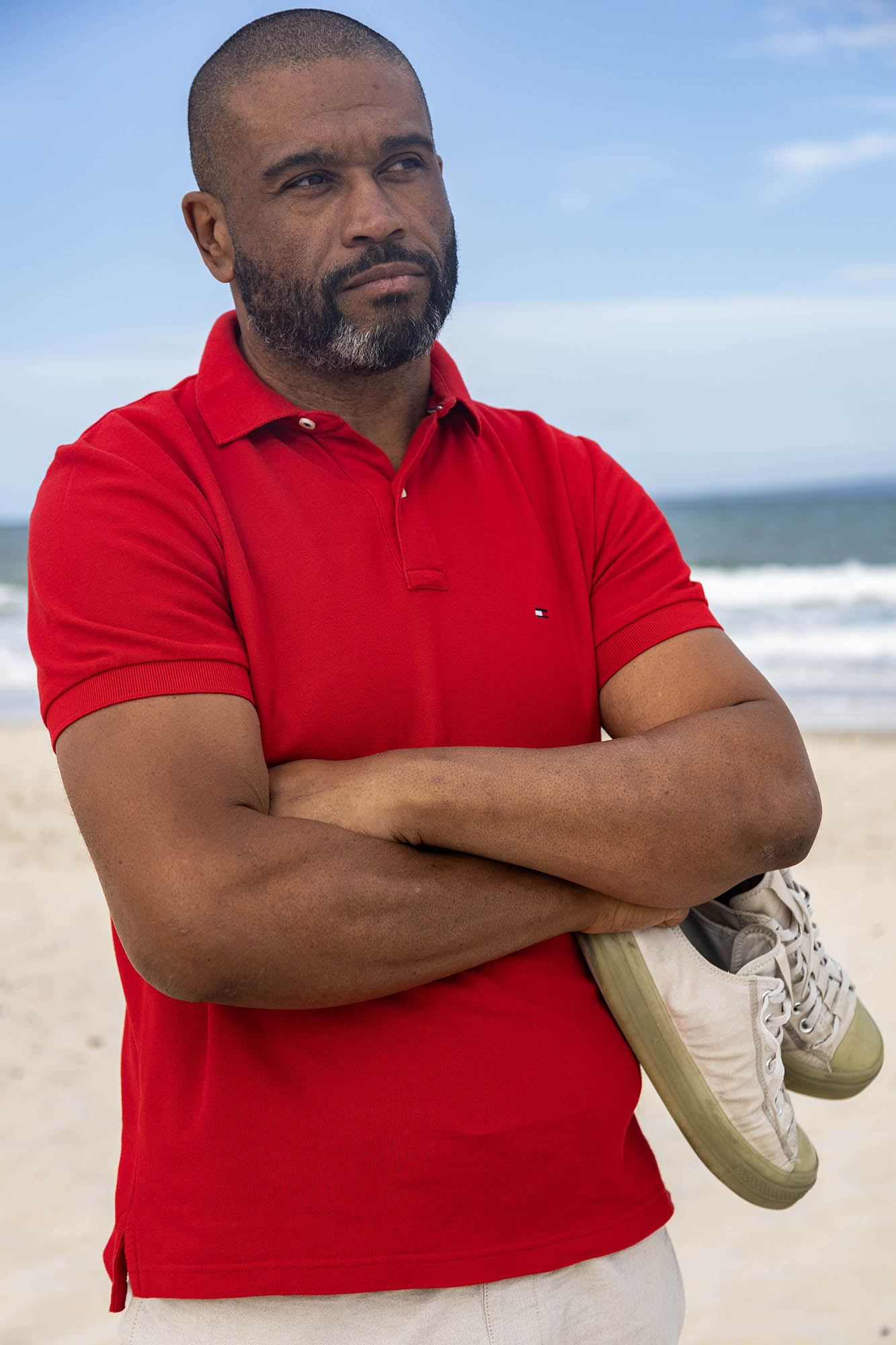
“By the time I was nine and a half, ten years old, I really knew where I stood when it came to the ranking of society itself. I was just about above the poverty line.”
“I always felt that if I had stayed in Brazil, I could never really picture a future. I don't know why, but I could never really picture a future. I never had a future.”
He was conscious of being from a Black, poor family and of the limits money placed on the education available to him.
“I knew that my parents wouldn't have the finances to provide the level of education that I would need to succeed and excel. I was a child and I couldn't see a way out. My only way out, I always envisioned my way out being out of there.”
“So by the time I was 12, I started working towards just leaving.”
“I didn't know him as a man”
When I ask about his father, Kleber takes a moment before answering.
“My father was a very gentle man.”
He smiles at the coincidence in his name.
“Funny enough, translating in English, his name was Gentil, which is called gentle.”
He was also, Kleber says, a loving father.
“My father wasn't my mentor. My father didn't prepare me for life. He taught me how to be respectful. He did teach me the importance to care for other people. We had three women in the house and he taught me how to care for women and how important it was to look after them.”
“But he wasn't my mentor. In many ways, we weren't friends.”
That began to change after Kleber became a father himself.
“It wasn't until I had my own family that we became closer as men. Unfortunately, by the time I was prepared to ask him some man-to-man questions, he ended up passing away before we had some conversations.”
What did Kleber still want to know?
“I never understood my father's life. I didn't know him as a man. I didn't know his likes, his dislikes. I know he had struggles. I didn't know why he didn't do better in life. What were the things that prevented him from doing the things that he wanted to do?”
“I knew he had dreams. I knew he wanted more. I knew he wanted more from life. But I think there were traumas there as well. I knew that there were disappointments and I knew there were things that prevented him from talking, and I never really understood.”
“Just asking him: ‘Who are you?’ Simple question. Who really are you?”
Before his father died, Kleber managed to record part of his life story, including the relationship he'd had with his own father.
“Despite the fact that he looked after my grandfather when he was aged, they weren't very close. I don't think my dad really knew his father.”
Kleber sees something in that which extends beyond the two men.
“I think we are taught not to talk. I think man is expected to suppress how they feel, how they think. I don't actually think society wants us to express how we feel and how we genuinely feel about certain things. Masculinity means you suffer alone and you box things up.”
If he could speak to his father again, Kleber knows one of the things he would ask.
“What would you have done different if you had had the opportunity?”
His son will know
Kleber has no opportunity to change the conversations he didn't have with his father.
He does have an opportunity with his own son.
“Julius and I will have a completely different relationship than I had with my father. The door is always open. From young — he's eight — he knows what I think to the extent that he can comprehend being an eight-year-old. But we talk about everything.”
“I always tell him that he can ask me anything. He's a little boy, but he has seen me laugh. He has seen me upset. I don't hide emotions from him.”
“I always tell him I love him. I tell him that every day. I spend time with him. We do things one-on-one.”
Kleber doesn't want to become Julius's best friend.
“I want him to come to me when he wants to talk about something and if he needs to think about somebody that he needs to open his heart [to], I want that person to be me.”
“Every question that my children ask me about who I am, they will have an answer. When I'm long gone, I don't want them to have the feeling that I have now, where there's a lot of things about my father that I wonder that I will never have the answer.”
“I had to stop nursing others to nurse my father”
When Gentil became ill, Kleber's professional and personal lives collided.
“It was probably the hardest thing I have done. I had to stop nursing others to nurse my father at home. I think I shut down emotionally to be able to nurse him and I did have a bit of an expectation that he would pull through.”
Kleber is still trying to understand the grief that followed.
“The grieving process, I don't understand totally yet. I currently do seek therapy to understand how the full impact of that period had on me.”
For much of our conversation Kleber talks with his hands, often smiling as he answers. Here, he becomes still, leaning forward in his chair with his hands clasped together.
Six or seven months after his father's death, he was driving home.
“I found myself one day on the side of the road. I had to pull over. I haven't actually told anyone that really besides the therapist. I had to pull over and I just had to cry. I just needed to cry.”
“I don't understand why I had to but I just felt this overwhelming need to cry. I think I spent almost a good three-quarters of an hour on the side of the road just crying intensively.”
What surfaced during that drive wasn't a belief that, as a nurse, he should somehow have saved his father.
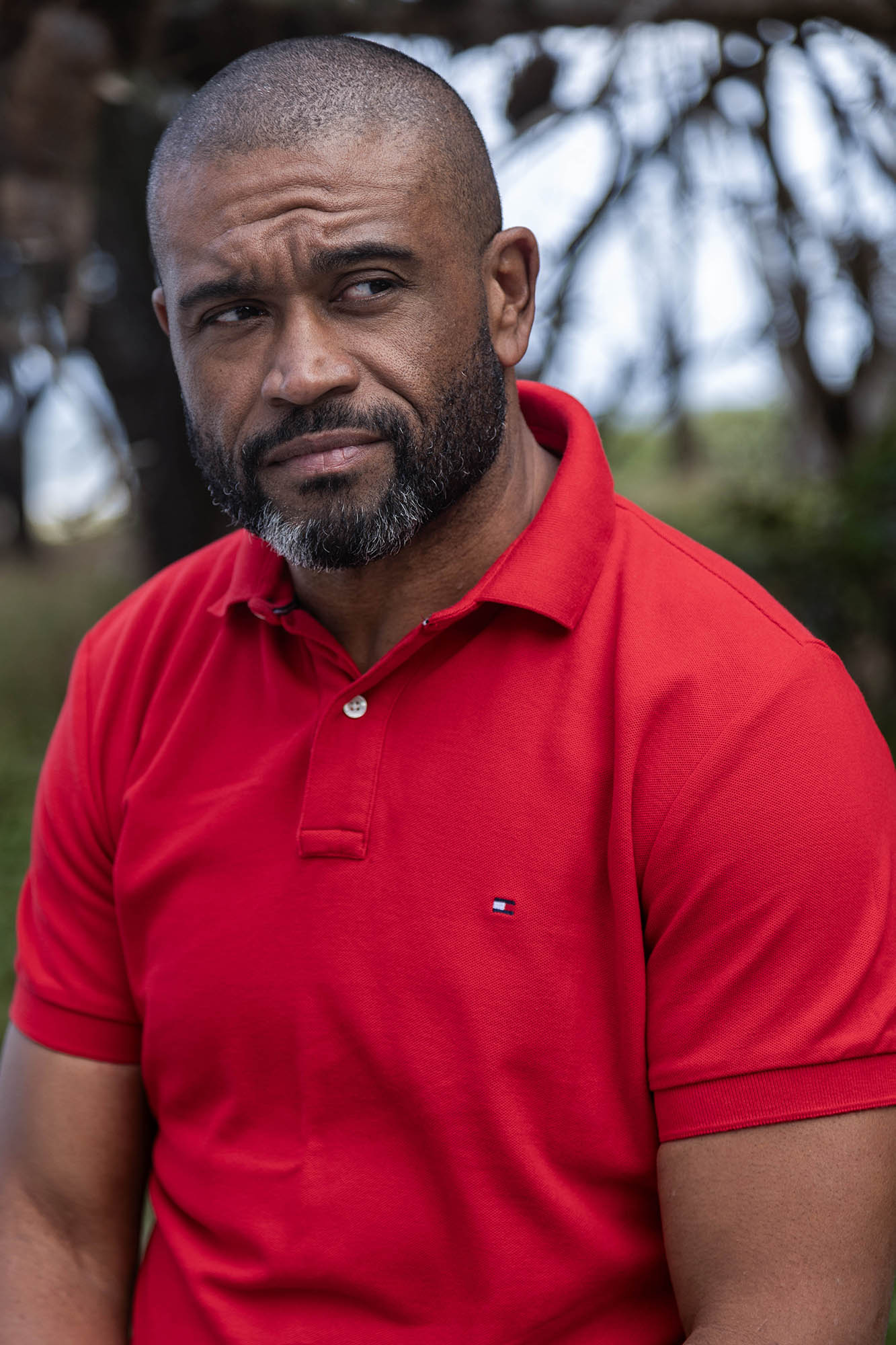
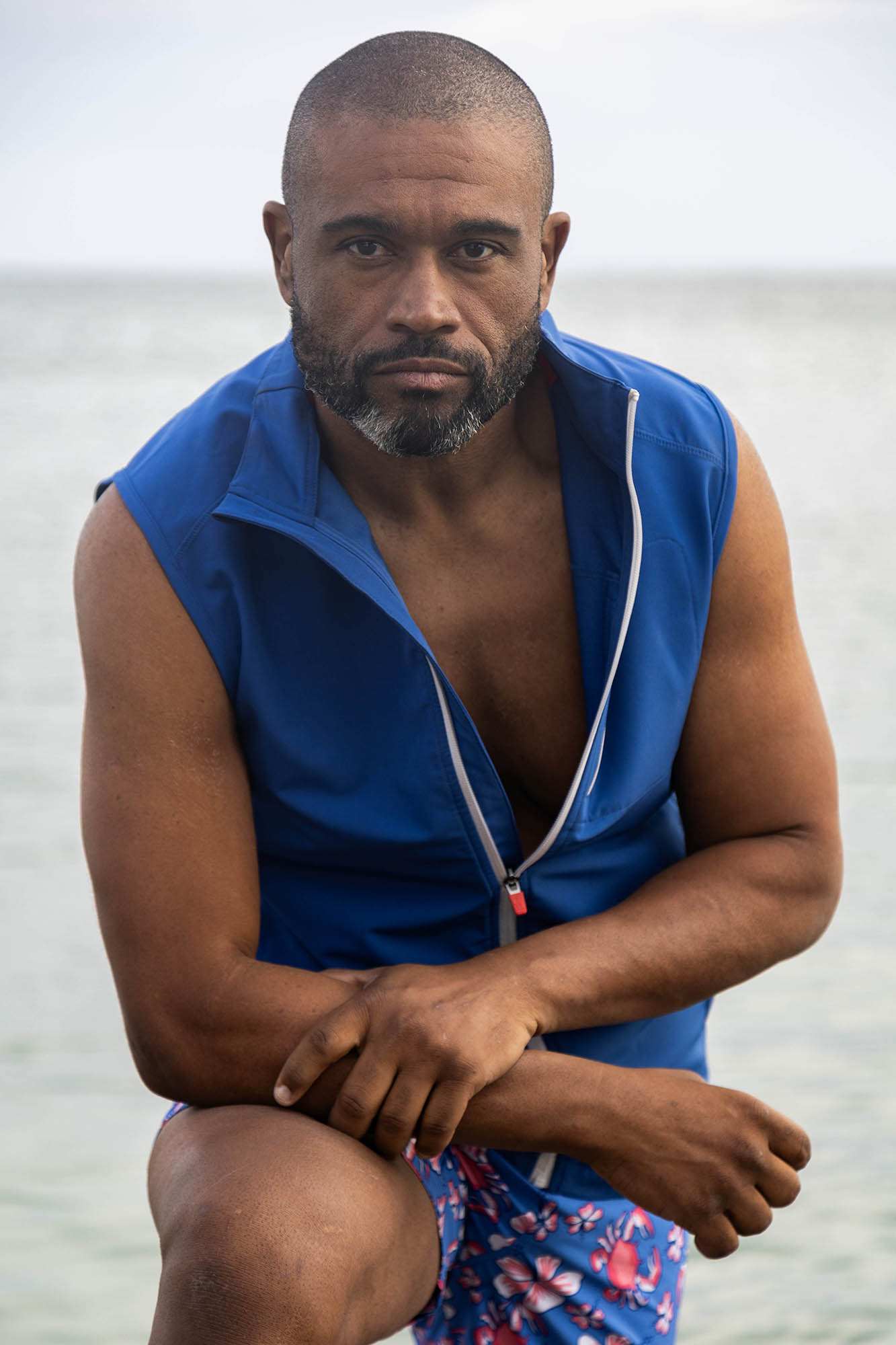
“I felt that to a certain extent I had failed him. Not because I couldn't save his life. It wasn't up to me, obviously. But I felt that what really was important for me was to actually have spent more time with somebody that I loved, and I didn't. When I was on that drive I started to meditate on that and then that's when I burst into tears.”
It changed something.
“Whatever time I have left — and I'm halfway going through my life now — my priority is to spend time with those who are dear and important to me. That was a hard lesson to learn.”
There is one thing in particular he wishes he had said more often.
“I wish I had told my father that I loved him more. He knew it. He knew it. But I wish I had actually said, ‘I love you,’ more often.”
Kleber now tells his children something different.
“When you love someone, you need to tell them, because if you don't tell them, how will they know? It's not a given. So I tell them: tell your grandparents that you love them because they will go. Tell your friends that you love them. Tell everybody that if you really genuinely love them, just tell them.”
He does the same with his own friends.
“We live in this environment where I think as men we don't say ‘I love you’, especially to other men, as much as we should. Imagine growing up unsure if you are loved or not because you don't hear it. It's tough. So I have to break that cycle.”
The bench in Lisbon
Kleber eventually did what the nine-year-old boy in Sorocaba had decided he would do.
He left.
“I don't think I would be the person I am today if I had never done the things that I did. There's obviously, like everyone, decisions that I would change in life. But one of the decisions that I've made that I would never change was the decision I made when I was nine. Having left Brazil was the best decision I've ever made.”
The journey eventually took him through Spain, Portugal and Britain before Australia.
Portugal almost brought it to an end.
Kleber had been living in Madrid when he decided to move to Portugal. He expected speaking Portuguese to make life easier. Instead, he struggled to find work and says he encountered racism.
“I spent weeks looking for work and I ran out of money. I ran out of money.”
Eventually the woman running the hostel where Kleber and his friend Clodoaldo were staying told them they had one night left.
“So we found ourselves in the streets.”
Kleber remembers the two of them sitting on a bench in central Lisbon with their suitcases.
“We have nowhere to go. We don't know what we're doing. I think I had 250 American dollars to my name and I think he had another 500. Going back to Brazil was an option but I felt that I would be failing myself if I didn't go through staying in Europe.”
It was getting dark. They knew they might be sleeping outside that night.
“We are sitting on this bench and we are literally praying. We are literally praying to God to give us some clarity [about] what we were going to do.”
Then a man walked past.
“And he walks past and then he comes back.”
The stranger asked if they were Brazilian and whether they were okay.
“His name is Fabio. We didn't know his name back then."
“He said, ‘I felt that I had to come back and ask you how you guys are. I can't explain it. I felt I had to come back and ask you guys how you are and what's happening.’ When he did that, my friend and I, we sort of burst into tears because we were literally praying.”
Fabio took them home.
“That night and for a few nights, we slept in his bedroom, just literally on the floor of his bedroom. In the same bedroom was his wife, himself, myself and Clodoaldo sleeping on the floor. And he didn't know us. He literally didn't know us.”
Kleber and Fabio are still friends more than 20 years later.
“If that person, that stranger, had never extended hospitality to myself and my friend, I wouldn't be here. I don't know from that point how life would have turned out.”
Was Fabio an answer to the prayer, I ask?
“Maybe. Or it was just that he felt — I don't know. I didn't really used to believe in someone's energy, but obviously after that experience... sometimes you look at people and you know they are in need. I think he felt that.”
Whatever happened on that bench, a stranger who turned around became a friend Kleber still has two decades later.
Where is home?
After living in several countries, Kleber doesn't have an uncomplicated answer.
“I think now that I've grown older, I feel more drawn to the Brazilian side of me because it's more family-oriented and the sense of community and the sense of togetherness. I feel very drawn to that side as well.”
Britain shaped another part of him.
“England gave me a lot. It shaped me intellectually to a level that I don't think, if I had stayed in South America, I would have developed to the level that I have developed as a human.”
Eventually he stopped expecting one place to permanently solve the question of home.
“I have grown to understand that you need to make home where you are according to your circumstances, because otherwise life becomes pretty much unbearable. For decades I lived very divided.”

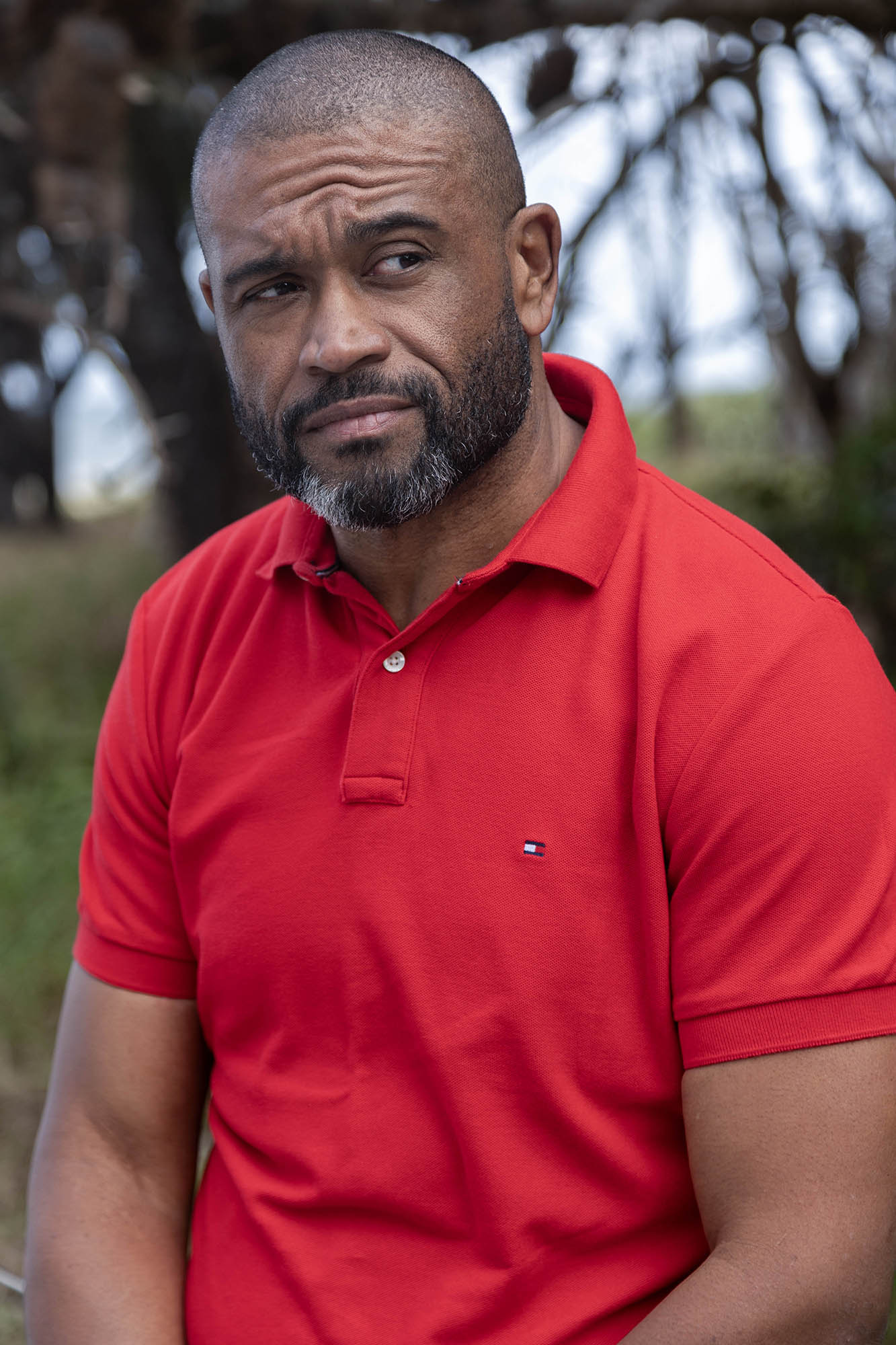
“Today home is Australia, where the kids are going to school, where they are being educated, where I take them on holidays. But if tomorrow I move to Indonesia, Indonesia will be home. If I go back to England, England will be home.”
When I ask where he imagines himself in another 20 years, though, the answer sounds decidedly more South American.
“I think I would probably be somewhere where I can get lots of hugs and kisses, and somewhere where people are just warm and I have a big sense of community.”
He misses people arriving uninvited.
“The casual way of life. That's how South Americans live, where people just come to your door uninvited, informally knocking for a coffee, and the good mornings and the hugs and kisses. We have this thing about being interested in people that you don't particularly know.”
It's something he is trying to pass to his children.
“I want them to be interested. I want them to be curious about people and cultures and things that they don't know.”
A man in nursing
Before becoming a nurse, Kleber worked in franchising and sales.
“I've always worked with people. My background has always been in franchising and sales, and it was always business relations with people. But I always enjoyed dealing with people. I think I reached a point in life where I wanted to do something that would have direct impact in people's lives.”
Healthcare had long interested him but nursing hadn't seemed an obvious profession for a boy growing up in South America.
“It wasn't particularly something that was viewed as the first line of option as a profession, especially in South America, because it's not a male-dominated industry. It still isn't.”
He retrained in Australia and has also worked as a nurse in Britain.
At the time we speak, Kleber says he is the only male clinical nurse coordinator in his company.
“Because we are a minority, you can sometimes feel isolated within the industry.”
He would like to see more men enter it.
“I would love to see a massive influx of males within nursing.”
One reason is what he has experienced with patients.
“I have a lot of patients who are male and they do feel comfortable opening up and discussing their health and men's health with another man. It's not about the gender. It's just that the reality is a lot of men are more comfortable discussing men's intimate issues with another man because they would maybe have a better understanding of their needs.”
“Same works for females. I think women feel more comfortable discussing certain aspects of their health with another woman than with men.”
Would he recommend nursing to other men, I ask?
“Absolutely.”
“There is a lot of self-fulfilment that comes from helping other people.”
“Do you like what you see?”
About five and a half years ago, Kleber began changing his life again.
“I really wasn't in a good place mentally. I was a very highly functioning individual. I was heavily involved with church and also I had a young family and parents living overseas, so I had to function. But I wasn't really functioning to my best.”
Physically, he was overweight. He had sleep apnoea and other health problems. His confidence and self-worth were deteriorating.
Then came another question.
“I remember one day I woke up and I asked myself, ‘Do you like what you've seen in the mirror?’ And it wasn't just the physical aspect. I actually asked that question genuinely to myself in every sense: in the spiritual aspect, in the physical aspect and also in the emotional aspect.”
“'Do you like what you see?’ And the answer was ‘no.’”
So he started changing things.
“I just had enough.”
He changed how he ate, took up fasting and sport, began reading and listening to more audiobooks and podcasts, and largely stopped watching conventional television.
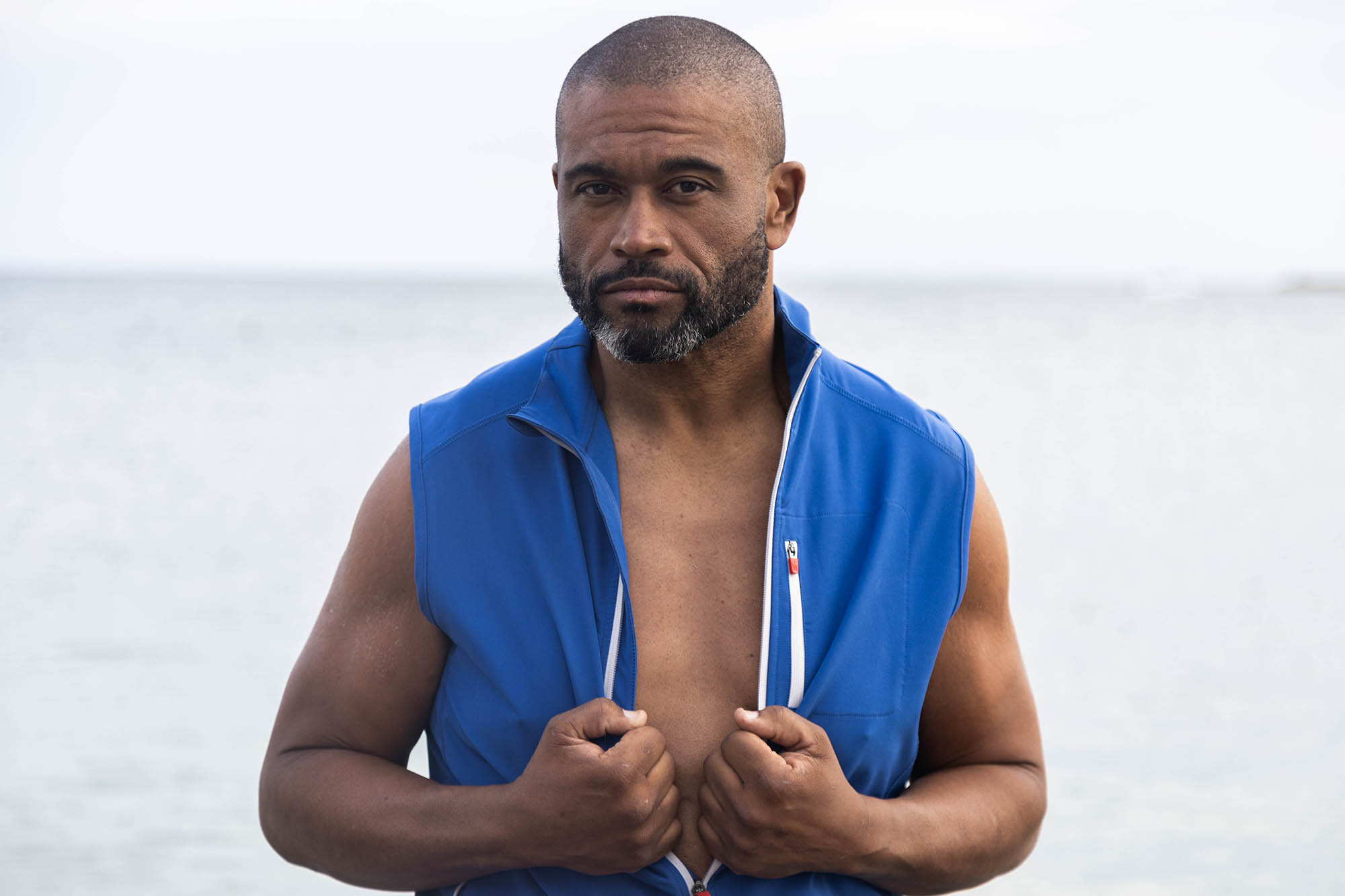
“I would prefer just to go for a drive, sit at the beach and meditate than anything else.”
He also started paying closer attention to what — and who — he allowed into his life.
“I say that I have a mental reverse osmosis disease. I will only spend time with [people] that I know will enhance the human that I am.”
He's still working through that process.
“I'm still doing it. I'm still in that process of feeding my mind with things that are more positive.”
Who do you call at 2 a.m.?
I ask Kleber who he would call if something went terribly wrong at two in the morning.
“There is a handful of people that I would call.”
Then he includes me.
“I would call you. I would definitely call you.”
I'm touched to hear him say it.
By the time he finishes counting, there are four people.
“One is overseas but I know that he would come down.”
Why those four?
“They wouldn't question why I'm calling at 2am in the morning. That's the first. I know that they know me well enough to know that if I was calling at that time, it's because I needed them.”
His circle used to look much bigger.
“Back in the day, I believed that I had many friends. But in the past maybe three to four years I've come to realise that a lot of people that I thought were friends, they were really just acquaintances.”
The realisation hasn't been particularly pleasant.
“If you can't really be yourself with someone without having the fear of being judged by what you say or by your views, then by default that person cannot be your friend. Unfortunately for me, that realisation as a man has been very painful, to be fairly honest.”
Kleber doesn't require agreement from the people he keeps close.
“What I need in life now is someone who, when I am wrong, they won't be scared of telling me, ‘Kleber, I think you're wrong, and those are the reasons why.’ And then we can have a debate and a discussion and come to a common agreement and still be friends.”
He laughs.
“It only took me 40-something years to understand that not everybody you know is your friend.”
Better late than never.
“A man who absolutely adores his friends”
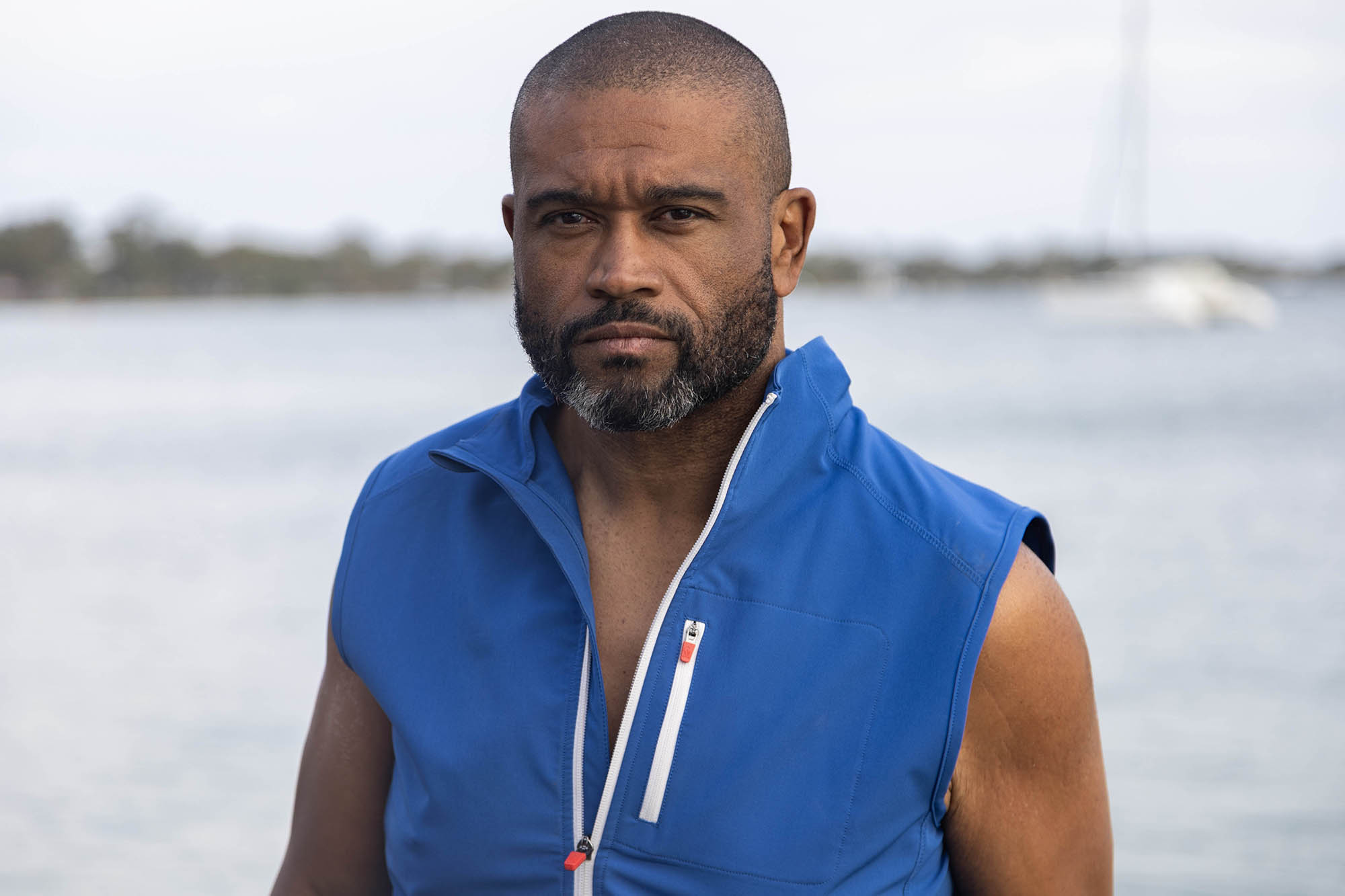
We've been talking beside the dam for an hour and a quarter when I get to my final question. The boats and jet skis have been coming and going on the water throughout the afternoon.
If I have to write his story from everything we've discussed, what does he think it should actually be about?
He doesn't choose leaving Brazil.
He doesn't choose nursing, losing his father, changing his body or becoming a father himself.
“I think it will be a story about a man who absolutely adores his friends, a person who has the need of having people around him but who also now wants to be true to himself. Not a people pleaser, not a yes man, not someone who will conform to the views of others.”
“It will be about me. Someone who has a strong personality but who now also allows himself to be vulnerable.”
Then Kleber arrives at what he thinks he has finally understood at 46.
“It's quality, not quantity. Quality, not quantity.”
At the beginning of our conversation, he'd described himself another way.
“I'm still discovering life.”
Essentially Man documents how men live, not how they should.