

This piece is part of Essentially Man’s “Men and Tradition” series, documenting traditions, rituals and cultural practices through the experiences and perspectives of the men who live them. It also sits within the “What It Means to Be a Man” series, long-form profiles exploring how men live, train, work and find meaning across cultures.
The project exists to let men speak for themselves, in a culture that usually speaks about them.
Mengui grew up on Thursday Island in the Torres Strait and spent school holidays on Badu Island. He later left for boarding school in Cairns and joined the Navy.

In our conversation, he talks about childhood, manhood, being the only Indigenous person on his ship, a suicide attempt during one of the darkest periods of his life and what he is trying to do now.
Mengui remembers being allowed to disappear.
Not completely. There were limits. He and his brothers had to be home before sundown or there would be trouble. Until then, though, much of the day belonged to them.
“Walk out of the house,” he says. “We had the freedom to do whatever we wanted. Go for a swim, go down to the beach, jump on our bikes, drive around, go exploring.”
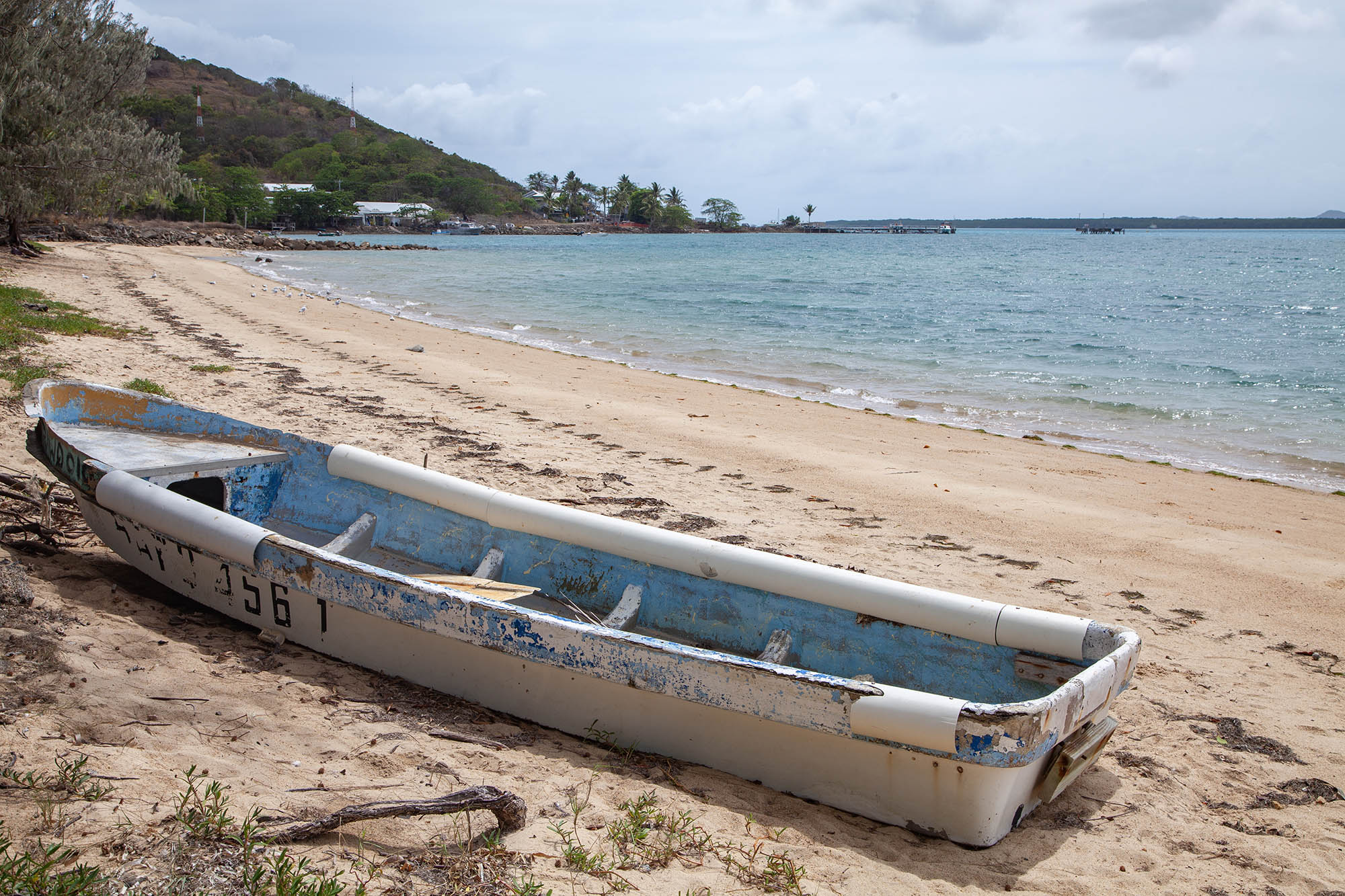
Mengui is from Badu Island and grew up on Thursday Island in the Torres Strait, travelling back to Badu with his family during school holidays. Looking at children now, he thinks one of the things he had then was the freedom simply to be one.
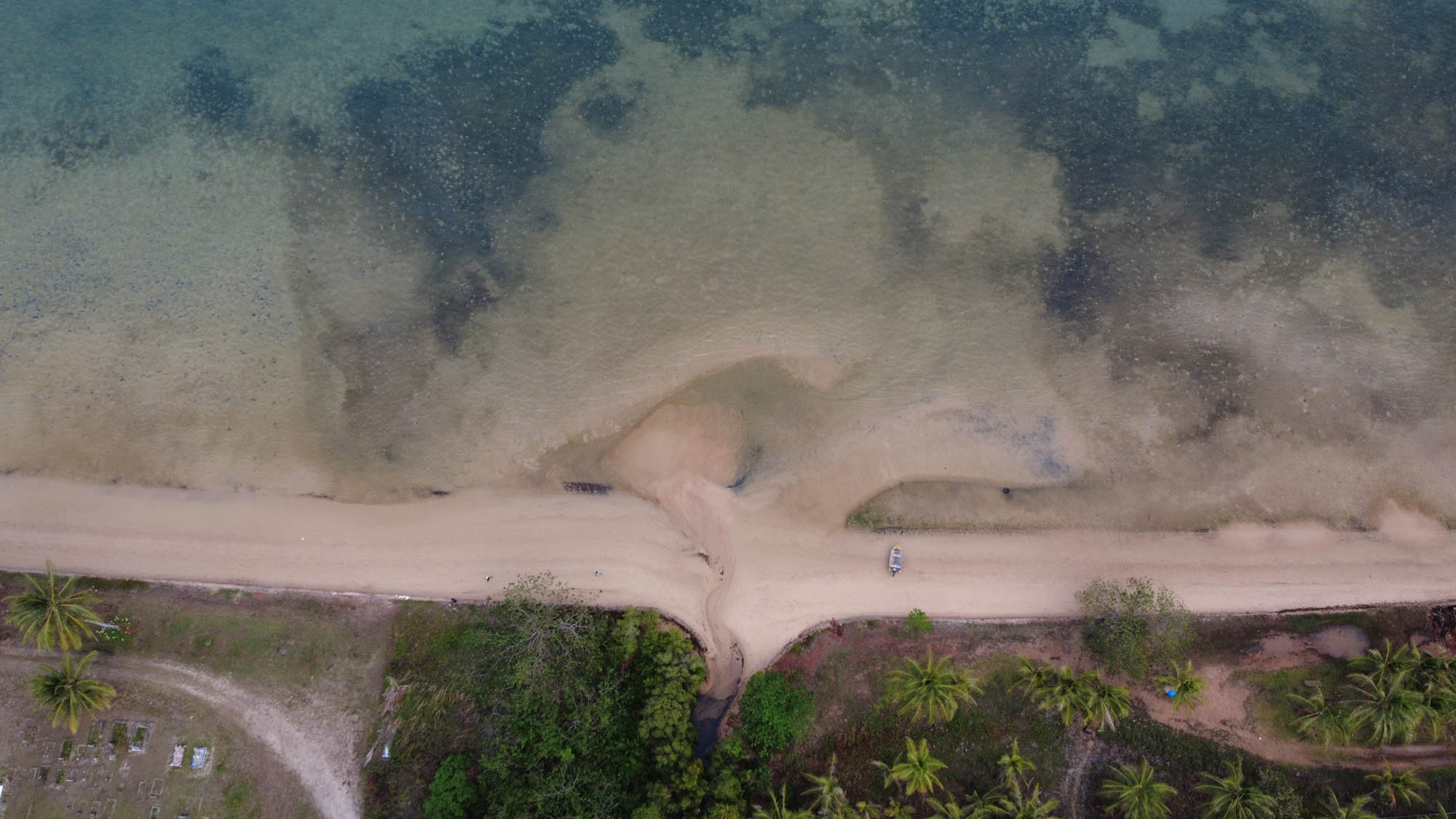
There were beaches and bikes. Bare feet. At low tide, people would head out looking for octopus. Mengui remembers going into relatives' yards and asking Aunty, Uncle, Grandma or Big Grandad whether they could take some fruit.
“Just get as much as you want,” they would tell them.
“We didn't go home to eat. We were just living off what was out there. No shoes, could run around barefoot all day.”
“It was the best childhood.”
Friends were family. Adults looked after children who weren't necessarily their own. If an adult caught you doing something wrong, Mengui remembers, it didn't much matter whose child you were.
“You'd get in trouble. And they don't care who you belonged to, you'll get smacked.
“And if you go home to your parents and you try to tell them, as if to say, ‘Oh, so-and-so did this,’ you'll get a smack on top.”
He laughs about it now.
“I'm really grateful for that, the fact that the community actually ... it takes a community to raise a child. And that concept was, you know, I really lived through that.”
He remembers something else.
Giving.
His parents didn't have much but he watched them give to families who had less.
“Everyone takes care of everyone,” he says. “There's no one who’s alone.”
There was no expectation of getting something back.
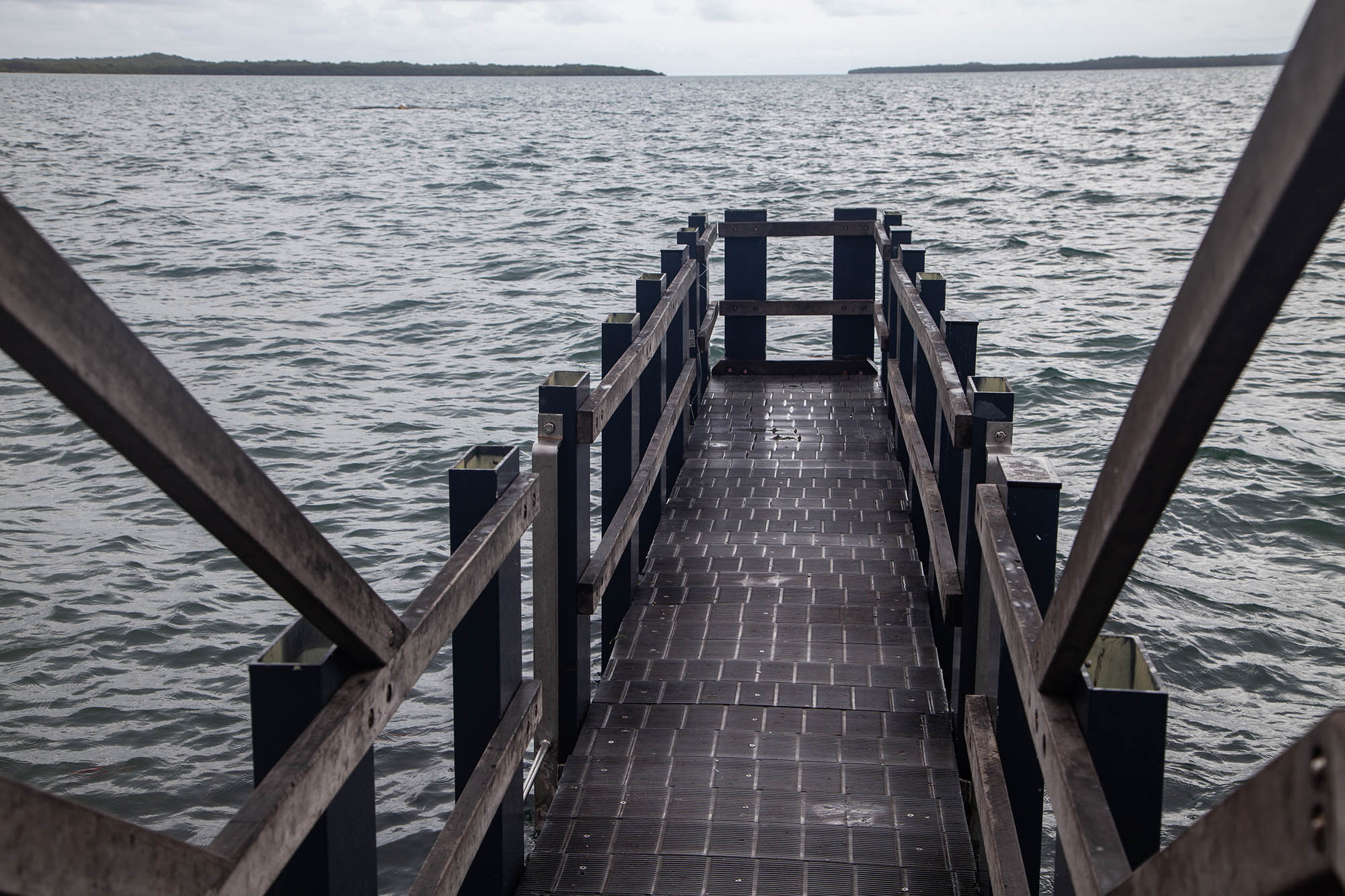
As the boys grew, there were uncles taking them hunting and fishing. Mengui talks about a loose idea of protecting and providing: learning how to go out, hunt and bring something home to feed the family.
“It was sort of like rites of passage where you come out, you do the stuff, you go out and hunt and you come back and provide.”
But Mengui wasn't always as interested as some of the other boys.
Even as a child, his mind tended to wander elsewhere.
He remembers wanting to be different. While other people were doing one thing, he'd wonder why he couldn't do another. He'd sit with his best friend and talk. He asked questions constantly.
His father called him Motor Mouth.
His mother still tells stories about it.
“I was very interested in everything and anything.”
At times he felt obliged to be interested in hunting because he was a Torres Strait Islander. Nobody belittled him when he wasn't. There wasn't, as he remembers it, a rigid test he had to pass to prove himself.
“Very humble people,” he says.
Mengui also remembers being taught to respect elders and consider other people. Sometimes that meant being told what not to do. Sometimes the adults stood back and let him find out for himself.
“No, leave him,” he'd hear them say. “Let him go. He'll figure it out.”
Eventually something would happen.
“I told you, eh!”
Mengui smiles.
“We had the freedom. We had the opportunity to actually experience it, to learn for ourselves.”
He calls experience “the best teacher”.
Leaving the islands
In Year 9, Mengui left the Torres Strait for boarding school at St Augustine's College in Cairns.
For the first time, he was living away from his parents. There were cousins around, but there was independence too. Decisions that had once been made within the orbit of home and community increasingly became his own.
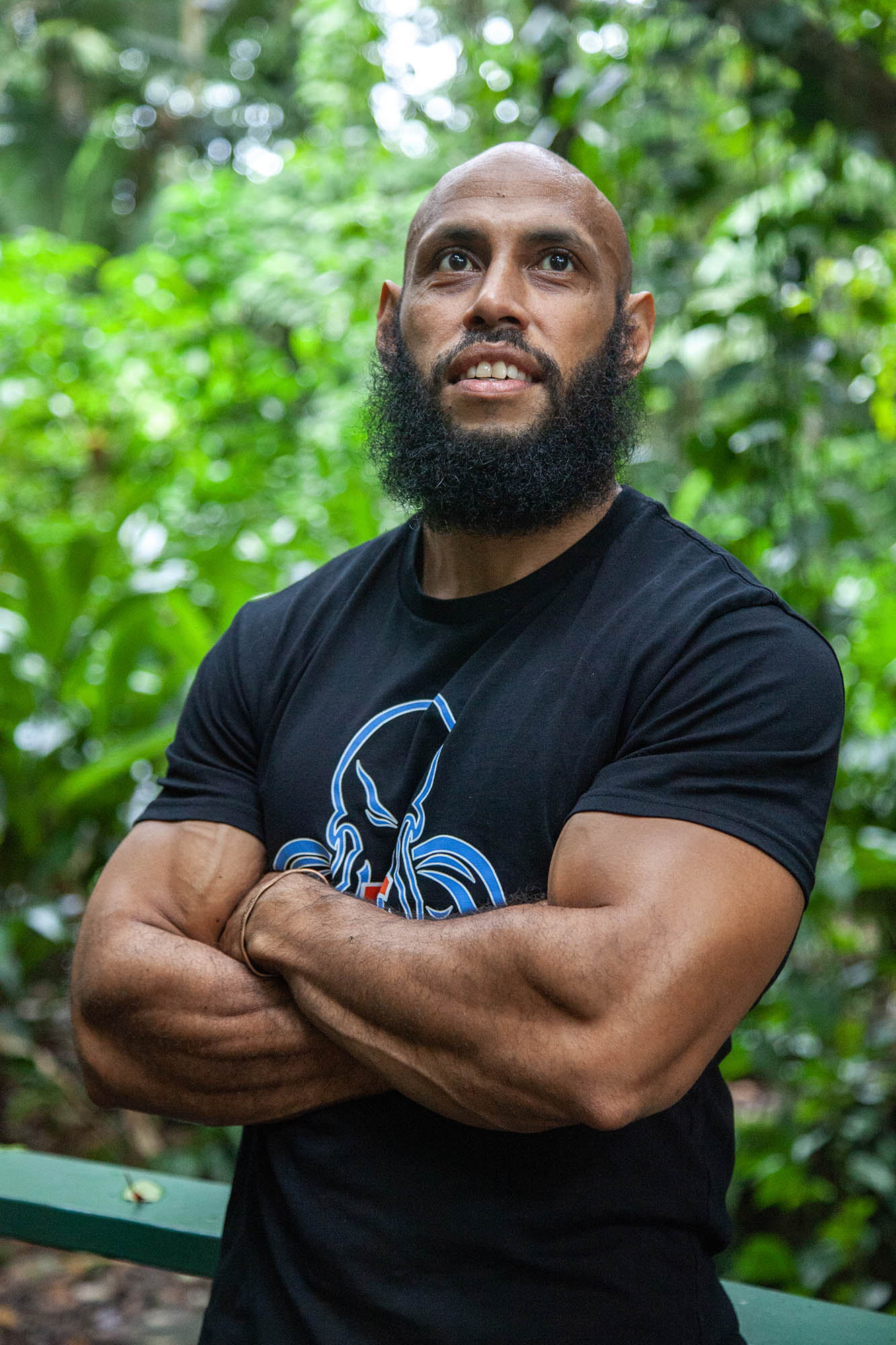
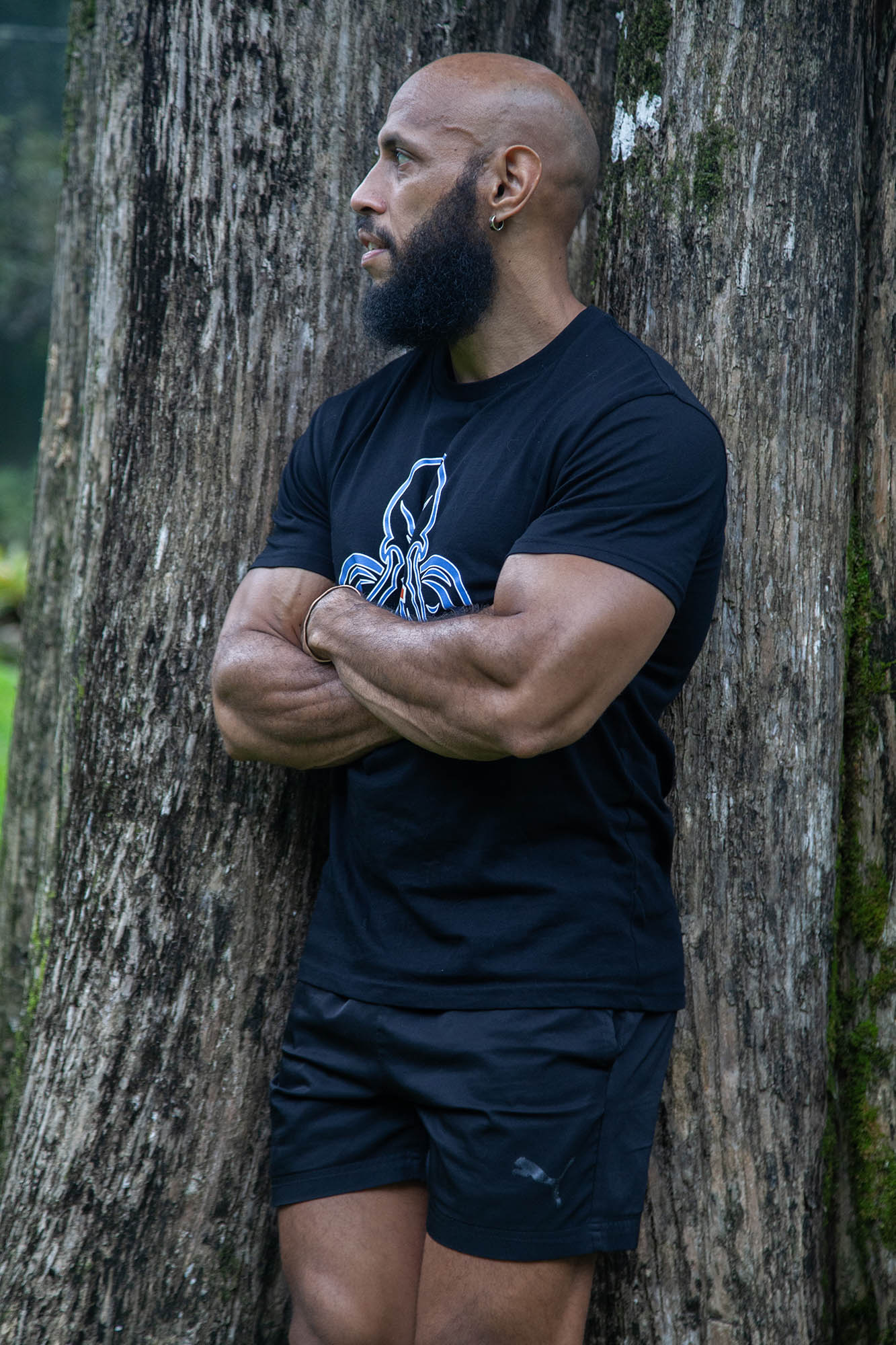
He describes it as one of the first transitions from boyhood into adolescence.
Becoming a man took considerably longer.
“I didn't really become a man until I was after 30,” he says.
Even now, he describes himself as a child at heart. He jokes and laughs. He doesn't spend much time thinking about his age.
When I ask what being a man means to him, he talks mostly about how he responds to other people.
“You get to a point in life where you realise, like, you don't really care what people think because at the end of the day, I know what I do.”
Then he corrects the thought slightly.
It isn't about wishing other people could walk in his shoes and finally understand him.
“I don't need people to walk in my shoes. I don't really want to prove anything. It's just I'm happy with who I am.”
He calls it “mental freedom”.
The only Indigenous person on the boat
Mengui joined the Royal Australian Navy.
He found it competitive.
Mengui initially tried to explain himself to the people around him. When things happened, people would ask what was wrong. He would try to tell them.
It didn't work.
“I was the only Indigenous person on the boat,” he says.
“None of these people here... none of them ever grew up in a community. And because of that fact, it's just they could never understand who I was as a person.”
Eventually he stopped trying to make them.
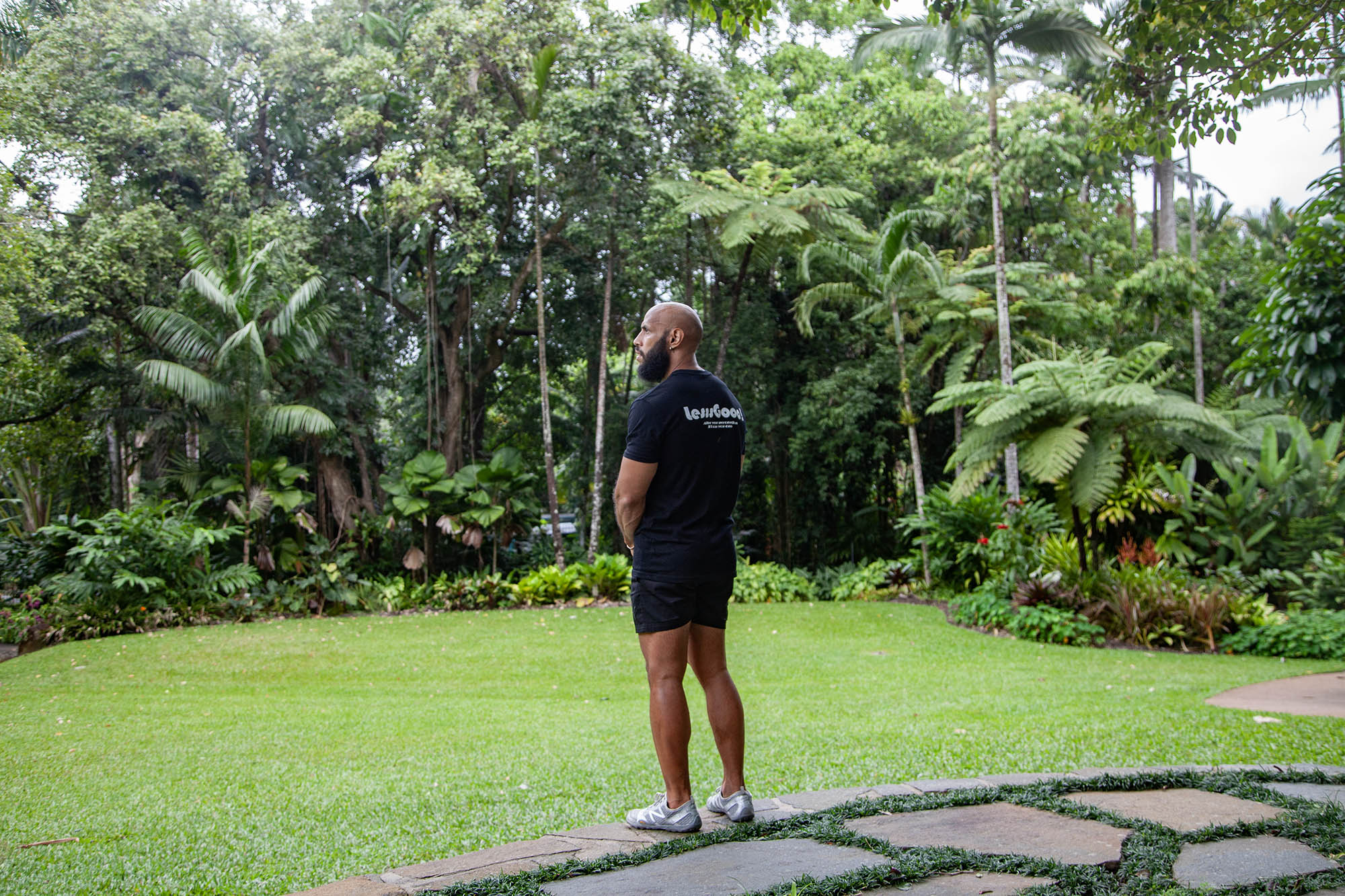
Instead, he decided to understand them.
“I went from trying to get them to understand me to, you know what, I'll just understand who they are.”
He watched.
He learnt how people operated, how they competed, how they analysed situations. He says it made him better at what he did.
But there were periods when life at sea was hard.
Family had always been his support network. Now he could be away for months. Sometimes he couldn't make contact. There were no familiar conversations to pull him back towards home.
He would go to the back of the ship and think.
Sometimes those thoughts became very dark.
There were relationship breakdowns. Around him were other men dealing with their own lives, often without saying much about it.
“Being on ships with other men and stuff like that that is, you know, struggling in silence.”
Then someone wouldn't come back.
“You come to work one day and you're like, yeah, this person's committed suicide.”
“And it's such a common thing, you know, in Defence.”
What disturbed him was how little warning there sometimes seemed to be.
“One day these people are working right alongside you, talking to them, they're perfectly fine. You think that they're the happiest. They're laughing.”
Mengui knew something about that.
People thought he was happy too.
He was the guy who smiled and laughed.
“Deep down inside, I was, you know, struggling with all these battles in my own head.”
He developed insomnia.
And eventually, he reached a point where he nearly didn't come back.
The phone call
Mengui was in his garage. He had a rope in his hand.
“I was wrapping it around the beams and stuff like that.”
His phone rang and he looked at it. It was somebody he hadn't spoken to for four or five months.
He didn't answer.
The phone rang again but Mengui kept going.
He remembers the emotional state he was in less as terror than its absence.
“I think that's one of the darkest places,” he says. “It's the fact that you're now emotionally numb. Nothing really affects you.”
At that point, he says, fear had gone too.
“Fear does not exist in your head and that's why you get to that. And I really understand that because I was at that point.”
The phone kept ringing.
Four times. Maybe five.
After around the fourth call, something changed.
His thoughts moved to his family.
“Shit, like, something must be wrong.”
Mengui climbed down and answered.
The first thing the caller said was:
“Are you okay?”
Mengui told him he was fine.
They kept talking.
The caller explained that he had been sitting there trying to enjoy his night but Mengui's face kept appearing in his mind.
“I called you and you wouldn't pick up. And it felt more intense every time and I just kept calling and calling until you picked up.”
Mengui told him what he had been about to do.
“Whatever you do, don't tell anyone,” he said.
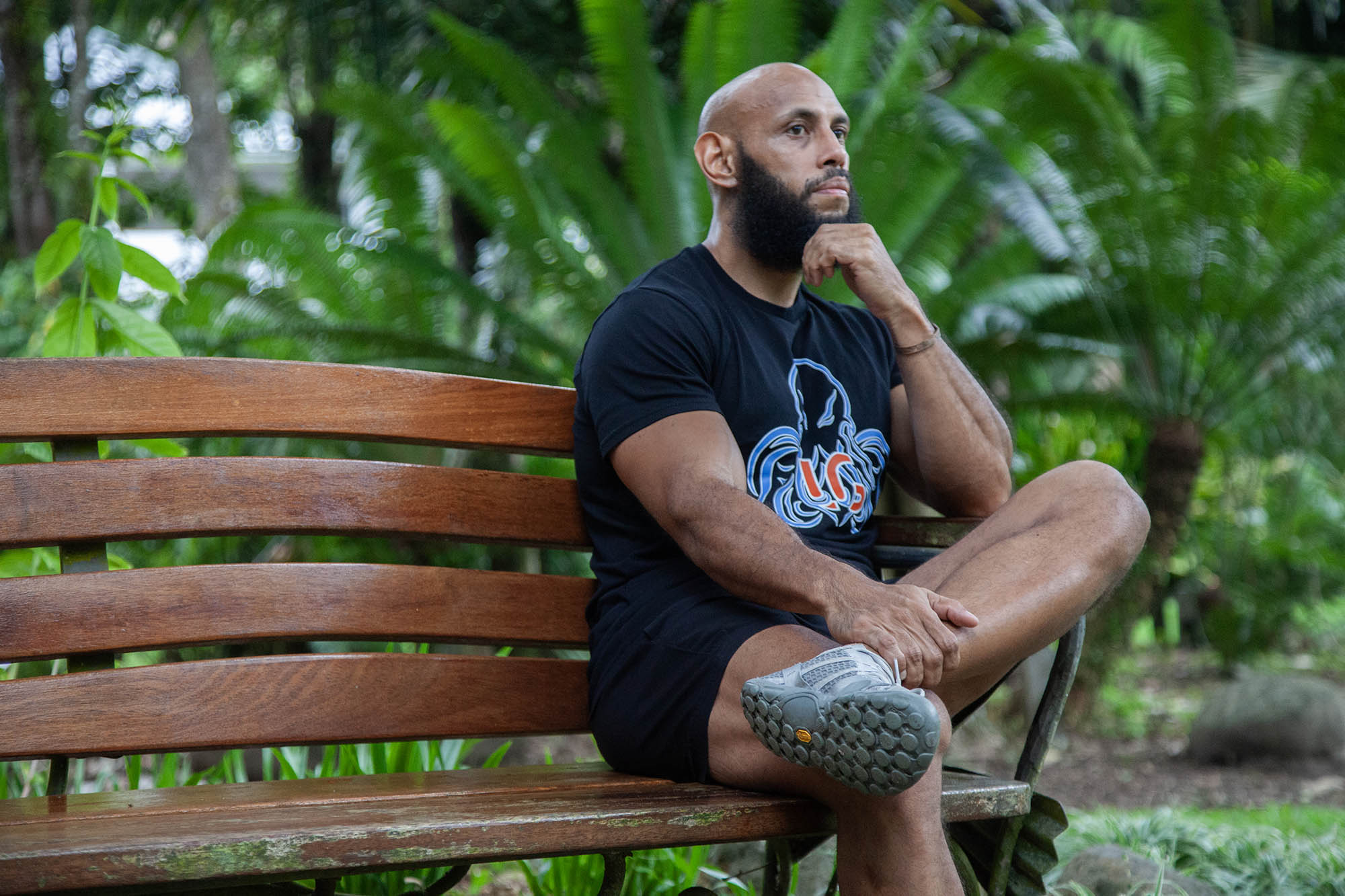
Mengui had grown up with spirituality as part of his Torres Strait Islander identity. What happened in the garage deepened it.
“I know in my heart that I had to get to that point,” he says. “I had to get to that point in my life because it was a part of my journey and towards understanding how we as people are connected spiritually.”
He believes the connection he experienced that night went beyond coincidence.
For Mengui, the spiritual and physical worlds aren't cleanly separated. He talks about ancestors remaining present, people being connected to land and sea and a spirit that can guide and protect.
“My culture has spirituality,” he says.
He also talks about what happened when Western religious ideas arrived in Indigenous communities.
“When the Western culture came in, they basically told us that our spirituality was demonic.”
Today, he wants to understand more of what was there before.
“At this point in my life, I am going to understand my culture's spirituality.”
He talks about Aboriginal people on the mainland and peoples across Melanesia, Micronesia, Polynesia and elsewhere. The traditions are different but Mengui sees something shared in the idea that human beings exist in relationship with the world around them.
“We are one with the land and the sea and everything. We are all interconnected.”
For him, spirituality is experienced.
And that experience has become part of how he understands the night in the garage.
“Your thoughts can be a killer”
Mengui talks to himself. Sometimes out loud.
He might be driving when somebody does something stupid.
“What the fuck are you doing?”
Almost immediately another voice arrives.
“It's not worth it, mate. Just leave it alone.”
He calls it talking to himself in the second person.
It is something he says he learnt through the difficult periods of his life, when there wasn't always somebody else available to confide in.
“I had the ability to confide in myself.”
That internal conversation became one way of pulling himself out of thoughts before they carried him somewhere he didn't want to go.
“Your thoughts can be a killer.”
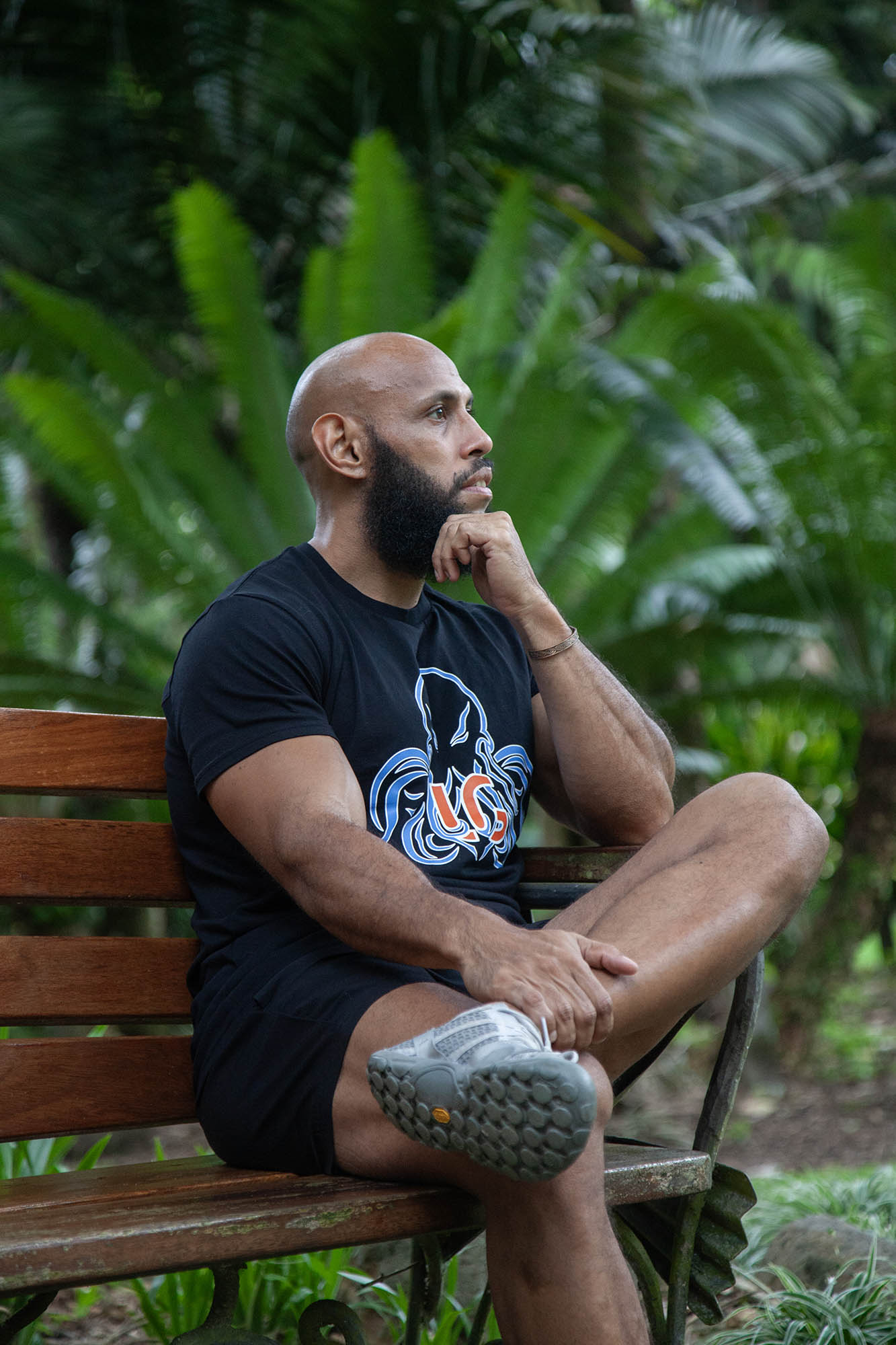
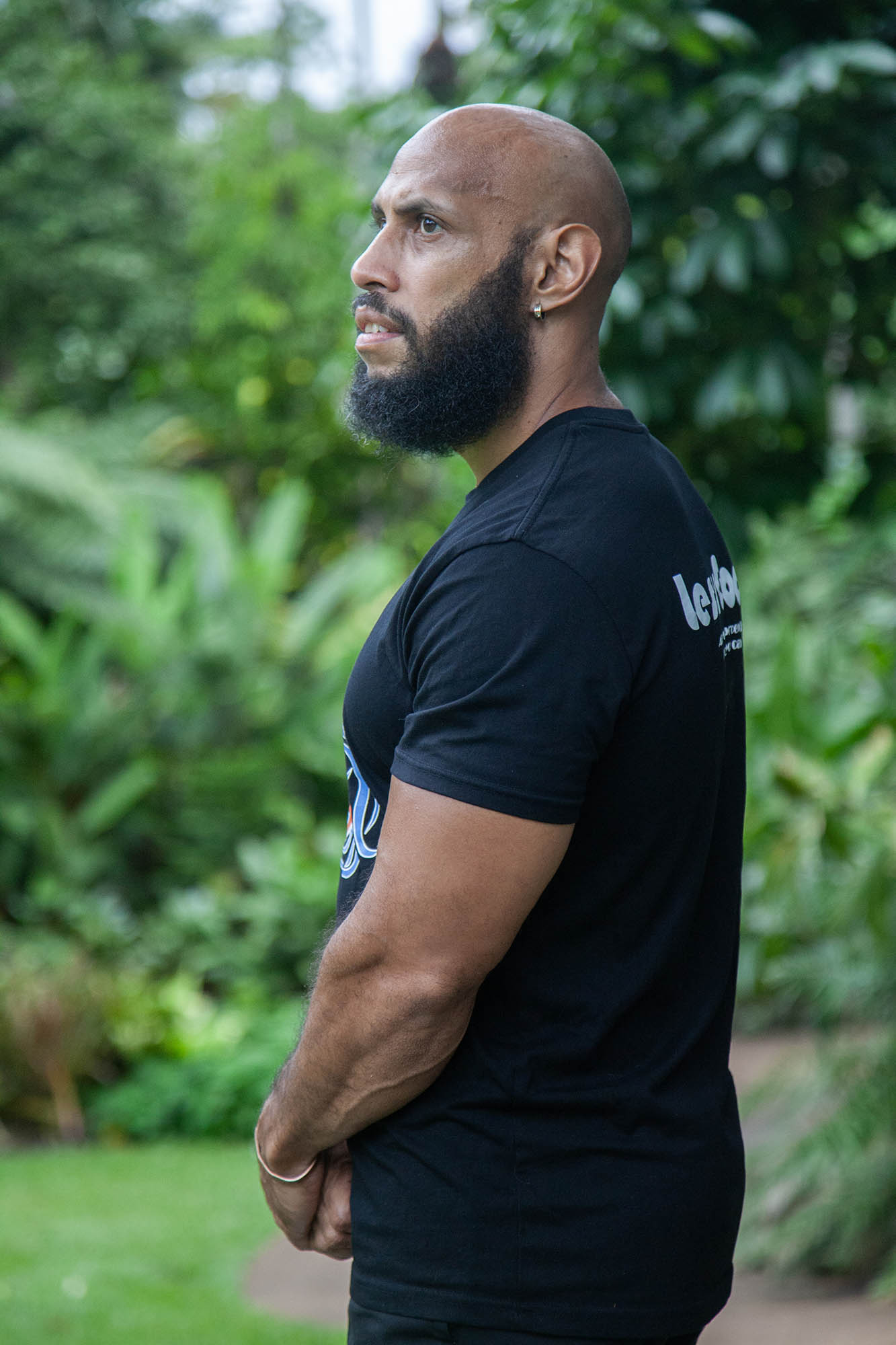
The same experiences he once would have described simply as bad are things he now tries to look at differently.
He doesn't pretend they didn't happen. He changes what they mean.
Instead of asking only what somebody did to him, he'll ask what the experience taught him. Even people who treated him badly have, in his telling, become unlikely teachers.
“My biggest mentor is the community, the environment that I grew up in. That was my biggest mentor.”
Then there are the others.
“The people that wanted to do me wrong and did do me wrong... they became my mentors as well.”
“I appreciate everything that they did.”
If somebody tries to provoke the same reaction again, he says, “it's not going to happen”.
An escape in the gym
Weight training began in the Navy.
Mengui had never been particularly interested in it. He ran and did short bursts of exercise but lifting weights was new.
Then he tried it.
“The feeling I got from it was amazing.”
In an environment he was struggling with, the gym became somewhere else to go.
“It was my escape.”
He describes training as “a coping mechanism, self-regulation and a way to get rid of unwanted energy”.
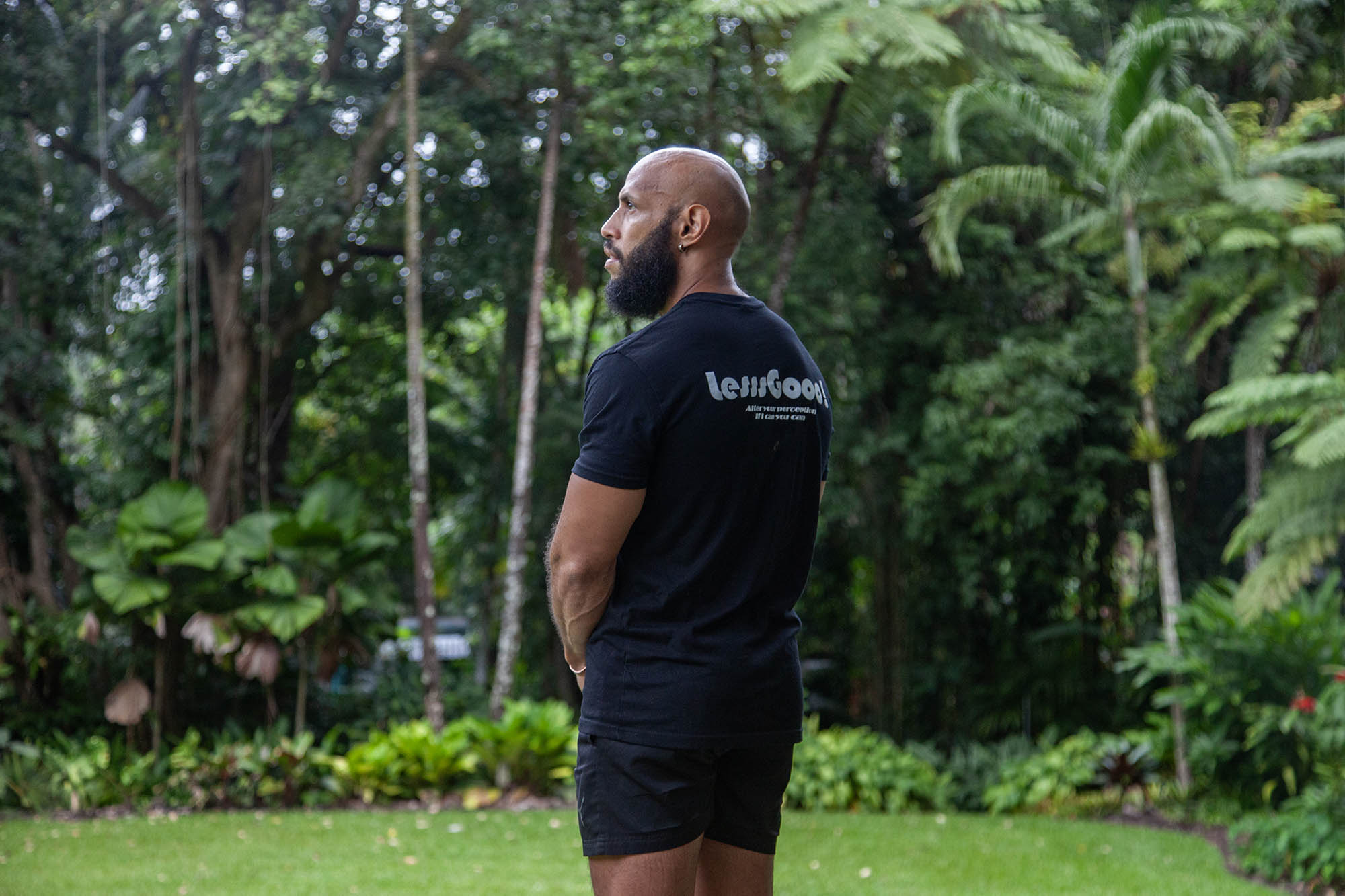
Over time, that interest widened into nutrition, fasting and his own ideas about how the body should be treated.
Some of those ideas sit well outside conventional advice.
Mengui says he has fasted for 24 and 48 hours while continuing to train. In the Navy, he says, he was tested for steroids four times because of his physique and training capacity.
He laughs remembering colleagues watching him train while rarely seeing him eat.
“How am I putting on muscle? We get told you need to eat big to get big.”
He began reading more about fasting, hormones and nutrition. He became increasingly interested in how his ancestors ate and increasingly sceptical of the Western routines he had grown up around.
Mengui tends to try things for himself, watch what happens and decide whether they work for him.
That same thinking eventually became part of his business.
He makes smoothies.
The product itself is only one part of what he's trying to do. He talks about food, exercise and mindset as connected rather than separate problems.
“You cannot exercise and eat the right things with a bad mindset.”
His customers include families and children. What pleases him most is hearing that children are asking their parents for the smoothies and beginning to make their own decisions about food.
“I found my purpose.”
Coming back
Mengui eventually left full-time Navy service and it wasn't easy.
“It took me a while to leave the Navy because I was so conditioned to believe in that.”
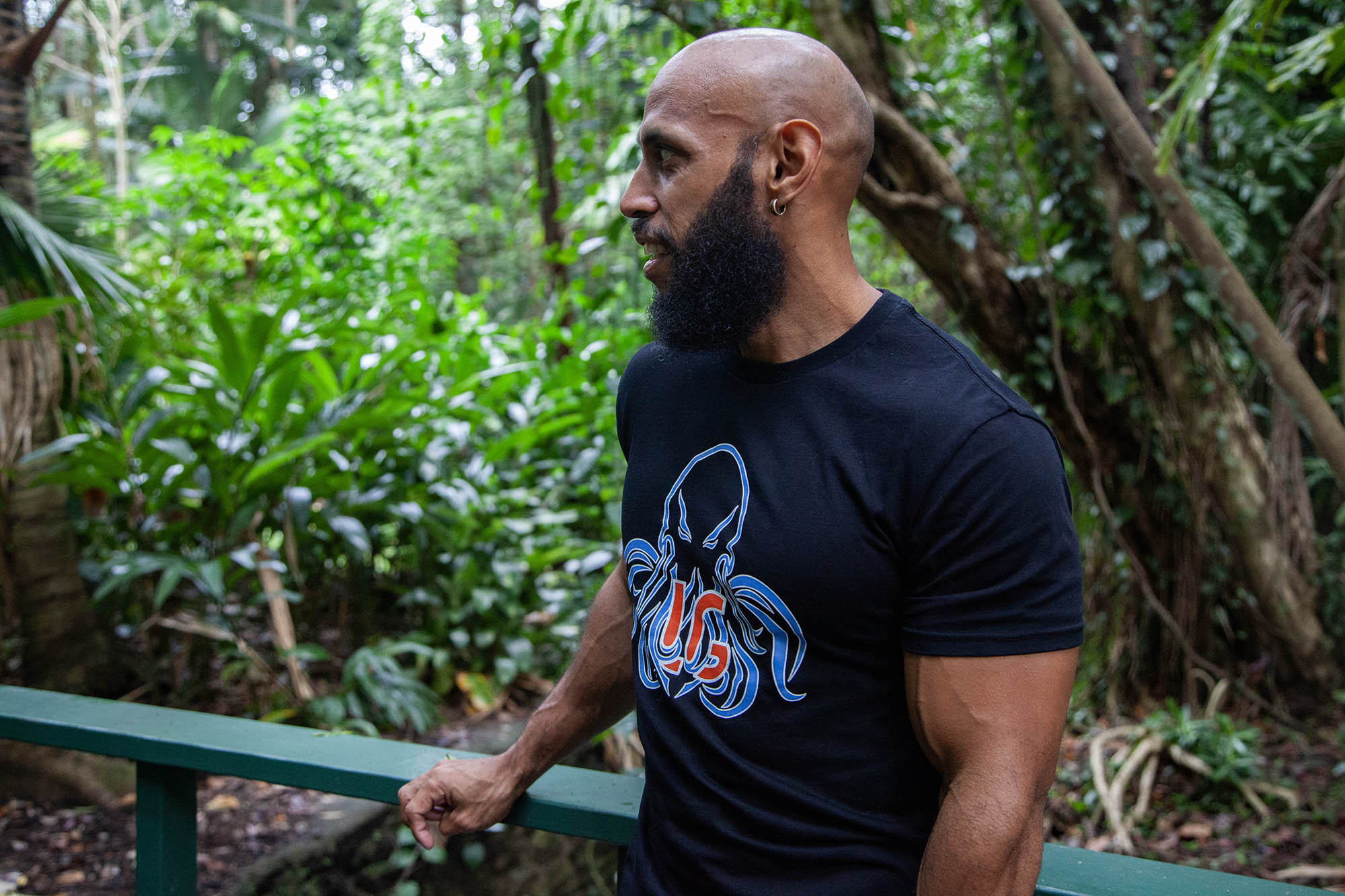
His relationship with Defence had become complicated.
At one point, events outside the Navy led to consequences within it that Mengui felt were unjust. He talks about wondering who had his back after giving ten years of his life to the organisation.
Yet he hasn't severed the connection completely. He remains in the reserves.
One reason is an Indigenous program.
Mengui says there is a high dropout rate among the Indigenous young people going through it. Many of the supervisors, he says, haven't grown up in Indigenous communities and sometimes struggle to understand the students in front of them.
Mengui has.
“I've been in Defence, I know what it's like.”
He wants to go back for them.
“To mentor the kids that are going through that program.”
To talk to them, guide them and help them.
He also knows being from community doesn't mean letting young people get away with everything. Sometimes, he says, the students know exactly how far they can push a well-meaning instructor.
Mengui smiles.
“I grew up in a community too.”
They aren't going to fool him quite so easily.
Still becoming
Ask Mengui where he sees himself going and he struggles with the premise of the question. He doesn't particularly see himself arriving anywhere.
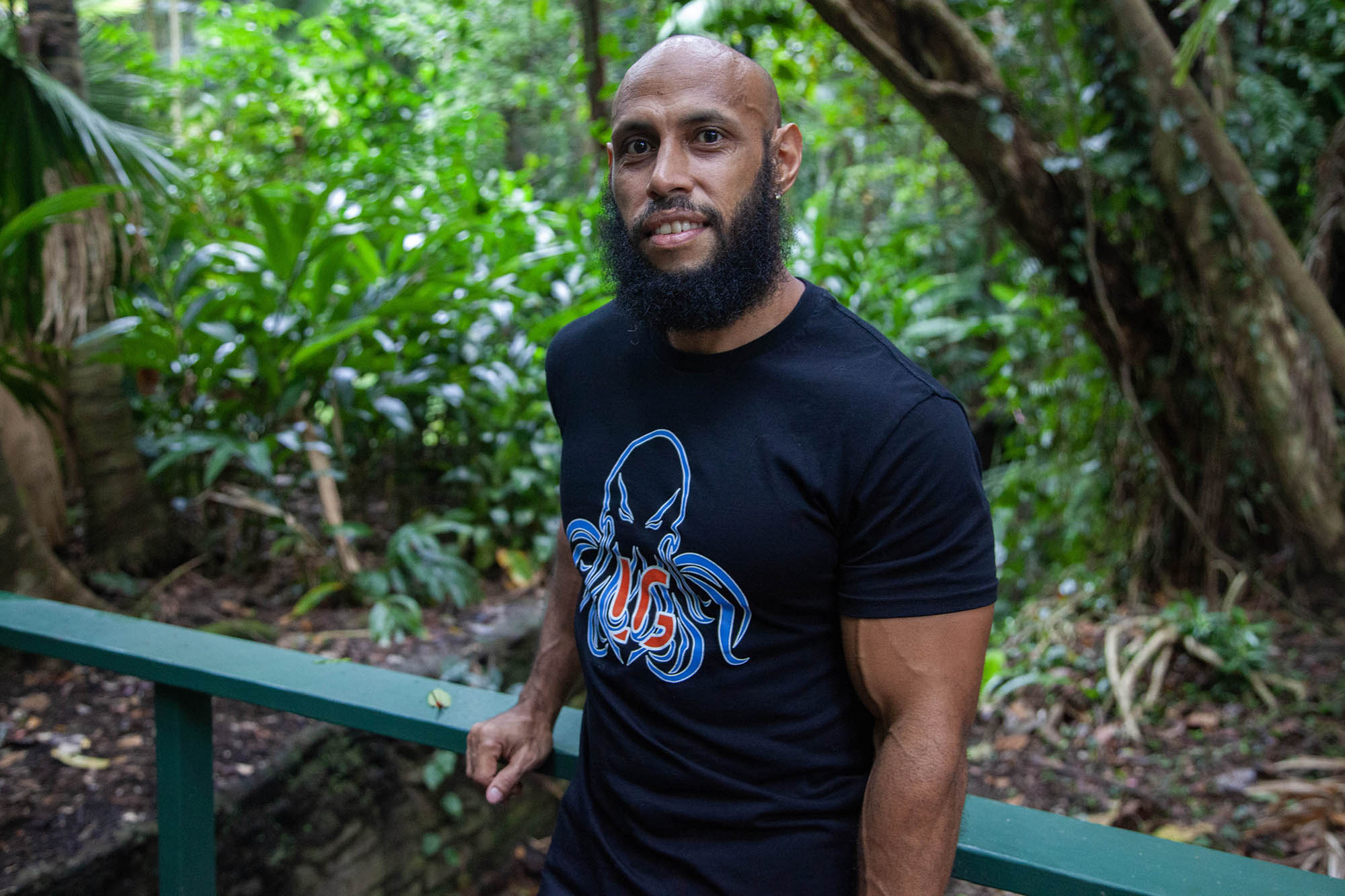
There are opportunities, he says.
Opportunities “to support and help people” and to show them that they may be capable of more than they think.
“If I can, you can. If we all can, anybody can do it.”
He is 38 when we speak and will turn 39 later in the year, although age isn't something he spends much time thinking about.
“I believe that I am a child,” he says. “I'm a child of this world. No matter how old I am, I'm always a child of this world.”
The boy who could leave the house in the morning and spend the day swimming, riding bikes and eating fruit from relatives' yards is still there. So is the community that corrected him when he did something wrong and let him make mistakes when there was something he needed to learn for himself.
Mengui doesn't describe himself as having reached some final, improved version of himself.
When I tell him during our conversation that perhaps what makes him unusual is the amount of work he has done trying to understand who he is, he gently pushes back.
“I'm becoming who I'm meant to become.”
There are still quiet weeks in the business. There is uncertainty and there are things he wants to build.
He isn't particularly frightened by any of it.
“I don't let money control me. And I am not scared to live with nothing. That does not terrify me at all.”
He knows what it is to be away from home, surrounded by people and still feel alone. To lose sleep. To reach a garage with a rope in his hand.
He also knows what happened next.
“Because I know that I have it in me to come back from anything.”
Essentially Man documents how men live, not how they should.